Buyers February 19, 2026

Cost of Living in South Florida: What You Really Need to Know

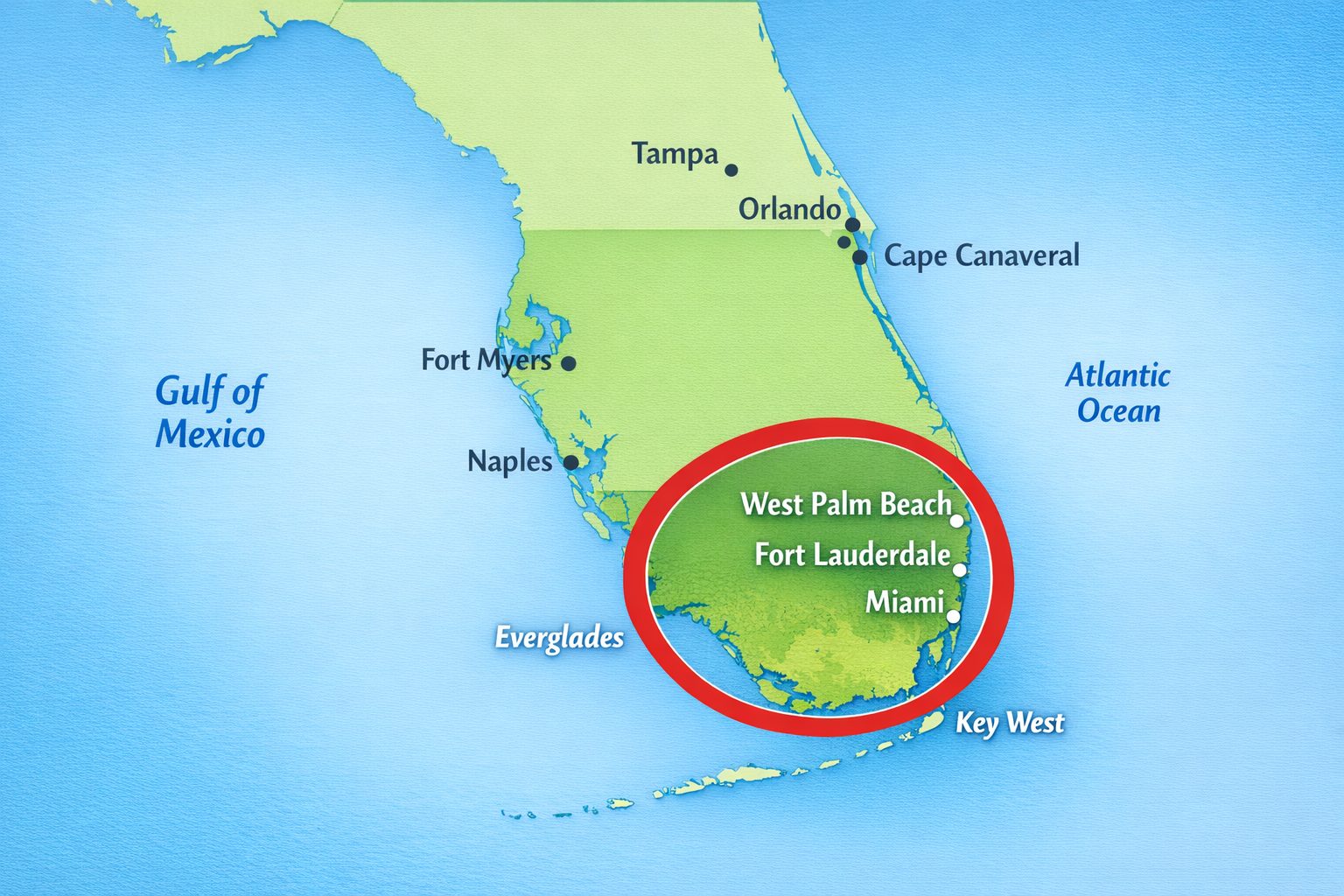
Map of South Florida

South Florida is one of the fastest-growing regions in the United States. Many people move here for job opportunities, warm weather, and lifestyle benefits. However, before relocating or buying a home, it is very important to understand the true cost of living in South Florida.

Fortunately, when you break down each expense such as housing, utilities, transportation, and insurance. It becomes much easier to plan. Therefore, this guide explains the real costs using verified data and simple language.


Where is South Florida and Why is it Popular?

South Florida

South Florida includes cities like Miami, Fort Lauderdale, and West Palm Beach. In addition, it includes Miami-Dade County, Broward County, and Palm Beach County.

One major advantage is that Florida has no state income tax. As a result, many residents save money compared to other high-cost states. However, at the same time, housing and insurance costs can be higher due to strong demand and population growth.


Housing Costs: The Largest Monthly Expense

First and most importantly, housing is the biggest cost for most South Florida residents. According to verified housing data from Zillow, Redfin, and Realtor.com, home prices and rent have increased over the past few years. However, the market has become more stable recently.

Average Home Prices (2026)

  • Condos: $280,000 to $450,000

  • Single-family homes: $450,000 to $750,000+

  • Luxury homes: $800,000 and above

For example, median home prices in Broward and Miami-Dade counties often fall between $450,000 and $600,000 depending on location and property type.

Average Rent Prices (2026)

  • 1-bedroom apartment: $1,900 to $2,500 per month

  • 2-bedroom apartment: $2,400 to $3,200 per month

  • Luxury apartments: $3,000+ per month

These numbers are based on rental market trends reported by Zillow and Realtor.com.

Transition: Therefore, whether you rent or buy, housing will likely be your largest expense.


Utility Costs: Necessary Monthly Expenses

Next, utilities are another essential part of your monthly budget. Fortunately, utility costs in South Florida are similar to other large metro areas. However, electricity costs may increase during summer months due to air conditioning.

According to the U.S. Energy Information Administration and Florida Power & Light, average monthly utility costs include:

  • Electricity: $120 to $250 per month

  • Water and sewer: $40 to $80 per month

  • Internet: $60 to $100 per month

  • Cell phone service: $60 to $120 per month

Therefore, most households spend about $200 to $400 per month on utilities.


Transportation Costs: Important for Daily Living

In addition, transportation is another major expense. Most South Florida residents rely on cars because public transportation is limited in many areas.

According to the U.S. Bureau of Labor Statistics and AAA, average monthly transportation costs include:

  • Gas: $120 to $250 per month

  • Car insurance: $180 to $350 per month

  • Car payment: $350 to $700 per month

Car insurance in South Florida is often higher than the national average due to traffic density and weather risks.

Transition: As a result, transportation costs can add $400 to $900 per month to your total living expenses.


Insurance Costs: A Major Factor in Florida

Another very important expense is insurance. In fact, Florida has some of the highest home insurance costs in the country due to hurricane risk.

According to the Florida Office of Insurance Regulation and the Insurance Information Institute, average insurance costs include:

  • Home insurance: $250 to $600 per month

  • Condo insurance: $80 to $200 per month

  • Renters insurance: $15 to $35 per month

Therefore, insurance must always be included when calculating your total cost of living.


Grocery and Food Costs

At the same time, food is another regular expense. Grocery prices in South Florida are slightly higher than the national average due to transportation and demand.

According to the U.S. Census Bureau and cost-of-living databases like Numbeo:

  • Single person groceries: $300 to $500 per month

  • Family of four groceries: $800 to $1,200 per month

Eating out regularly can increase monthly expenses even more.


Healthcare and Childcare Costs

Additionally, healthcare and childcare costs should also be considered.

According to federal labor and wage data:

  • Health insurance: $300 to $700 per month

  • Childcare: $800 to $1,500 per month per child

However, employer benefits may reduce these costs significantly.


Salary Needed to Live Comfortably in South Florida

Based on living wage data from MIT Living Wage Calculator and the Bureau of Labor Statistics:

  • Single person: $60,000 to $85,000 per year

  • Couple: $85,000 to $120,000 per year

  • Family: $100,000 to $150,000+ per year

However, your personal lifestyle, housing choice, and debt will affect your exact needs.

Transition: Therefore, proper financial planning is essential before moving.


Why Many People Still Move to South Florida

Even though costs are higher, many people still choose South Florida. This is because the region offers:

  • No state income tax

  • Strong job opportunities

  • Warm climate year-round

  • Growing real estate market

  • Desirable lifestyle

Therefore, many buyers and investors see South Florida as a long-term opportunity.


Tips to Manage and Reduce Your Cost of Living

Fortunately, there are several ways to reduce your expenses:

  • Choose areas outside major downtown locations

  • Compare insurance providers

  • Improve home energy efficiency

  • Plan your housing budget carefully

  • Work with a knowledgeable local real estate professional

As a result, proper planning can make living in South Florida more affordable.

Buyers February 18, 2026

Should I Buy or Rent in 2026? A Simple Guide for Today’s Housing Market

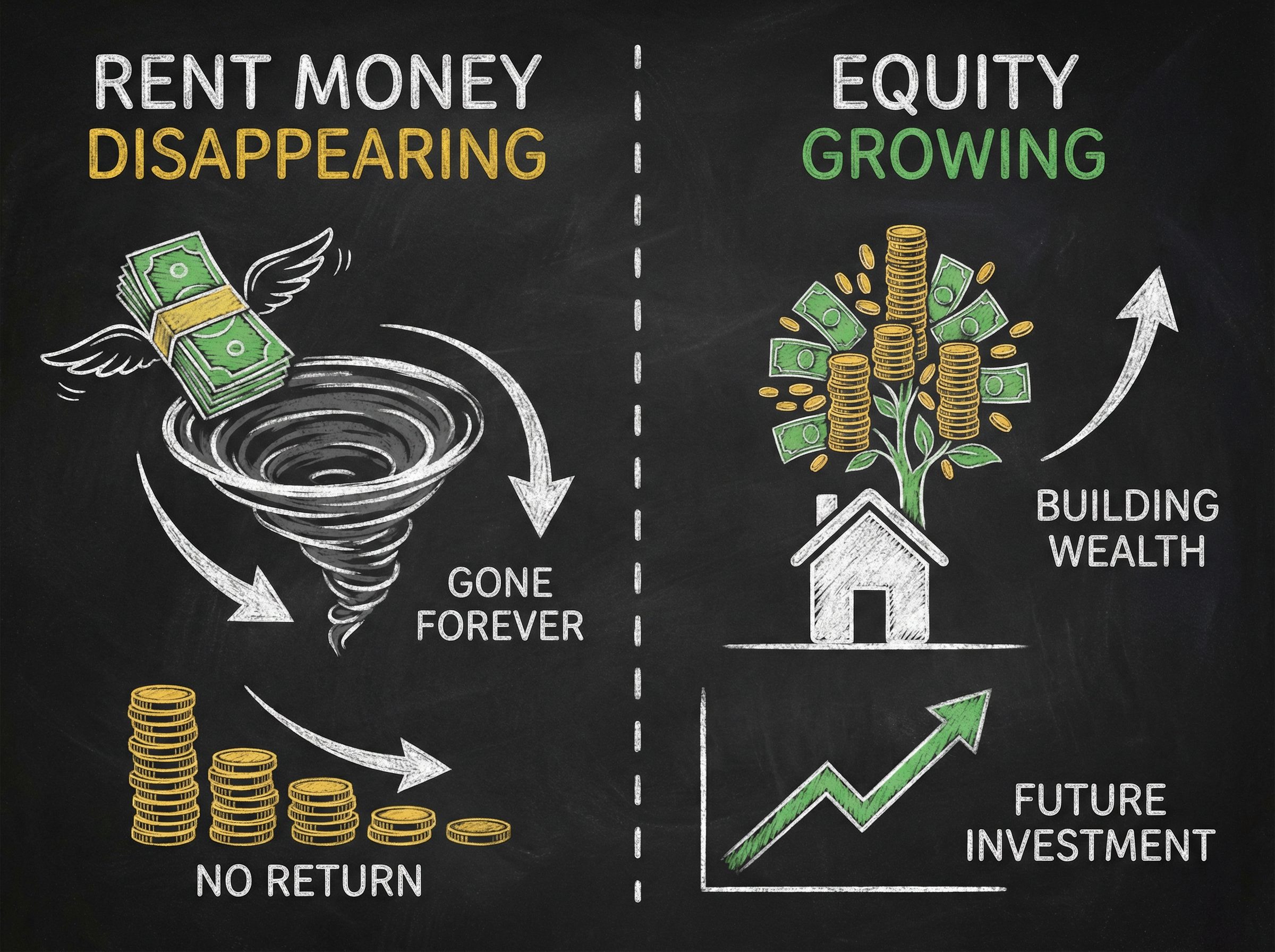
Chart showing “Rent Money Disappearing” vs. “Equity Growing”


Deciding whether to buy a home or rent can feel confusing at first. After all, this is one of the biggest financial decisions you will make. However, when you break it down step by step, the decision becomes much easier.

In today’s Florida housing market, both renting and buying have advantages. On one hand, renting gives you flexibility. On the other hand, buying helps you build long-term wealth and stability.

Therefore, understanding the pros and cons of buying vs renting is the first step toward making the best decision for your future.


Understanding the Difference Between Buying and Renting

Before comparing, let’s look at what each option means.

Renting

When you rent, you pay a monthly amount to live in someone else’s property. You get flexibility, but you do not build ownership.

Buying

When you buy a home, your monthly mortgage payment helps you own more of your home over time. This is called equity.

In other words:

  • Renting builds your landlord’s wealth
  • Buying builds your wealth

Because of this, many people choose to buy when they are financially ready.


 Benefits of Renting

Renting is often easier in the short term. For example, you don’t need a large down payment, and your landlord usually handles repairs.

Benefits of Renting

  • Lower upfront costs
  • Easier to move
  • No repair expenses
  • Good for short-term living
  • Flexible for job changes

However, renting has one major downside: you do not build ownership. Additionally, rent can rise every year.


Benefits of Buying a Home

Buying a home has many long‑term advantages. Most importantly, it helps you build equity, which is the amount of the home you truly own.

As a result, buying a home can help you grow wealth over time.

Benefits of Buying

  • Build equity
  • More stable monthly payments
  • Home value can increase
  • Possible tax benefits
  • More control and freedom

Furthermore, homeowners don’t have to worry about surprise rent increases.


Cost Comparison: Buying vs. Renting

At first, renting may look cheaper. However, over several years, buying is often the better financial decision.

Example:

Renting:
$2,500/month × 5 years = $150,000
➡️ You own nothing.

Buying:
$2,500/month for 5 years
➡️ You build equity and own an asset.

Therefore, buying helps your money work for you instead of disappearing.


When Renting Makes More Sense

Renting might be better if:

  • You plan to move soon
  • Your income is unstable
  • You don’t have savings yet
  • You’re not ready for responsibility
  • You want flexibility for work or travel

For example, if you expect to move within 1–2 years, renting may be the safer choice.


 When Buying Makes More Sense

Buying may be better if:

  • You plan to stay at least 3 years
  • You have a stable income
  • You want to build wealth
  • You want more stability
  • You’re tired of rent increases

In fact, many homeowners say they wish they had bought sooner.


Florida Market Insight for 2026

In 2026, the Florida housing market is becoming more balanced, meaning buyers have more choices and less competition than in prior years. Because of this, it is becoming easier to buy.

Additionally, rent prices across Florida remain consistently high, especially in coastal cities. Therefore, buying can often be the smarter long-term decision for many families.


Questions to Ask Yourself Before Deciding

Ask yourself:

  • Will I stay here at least 3 years?
  • Do I have stable income?
  • Do I want to build wealth?
  • Am I tired of rent increases?
  • Do I want stability or flexibility?

If you answered “yes” to most of these, buying may be the better option. However, if you value freedom and low responsibility, renting might fit your lifestyle better.


Is It Better to Buy or Rent in 2026?

Ultimately, the decision to buy or rent depends on your goals, finances, and lifestyle.

Renting is better for flexibility and short-term living.

However, buying is better for stability, equity, and long-term wealth.

In today’s Florida housing market, many renters are discovering that buying is more achievable than they thought.

Therefore, if you plan to stay in one place and want to build wealth, buying may be the smarter choice.

The most important step is understanding your options and creating a plan that fits your future.

Investment February 17, 2026

How to Invest in Real Estate in 2026 (Simple Step‑by‑Step Guide)

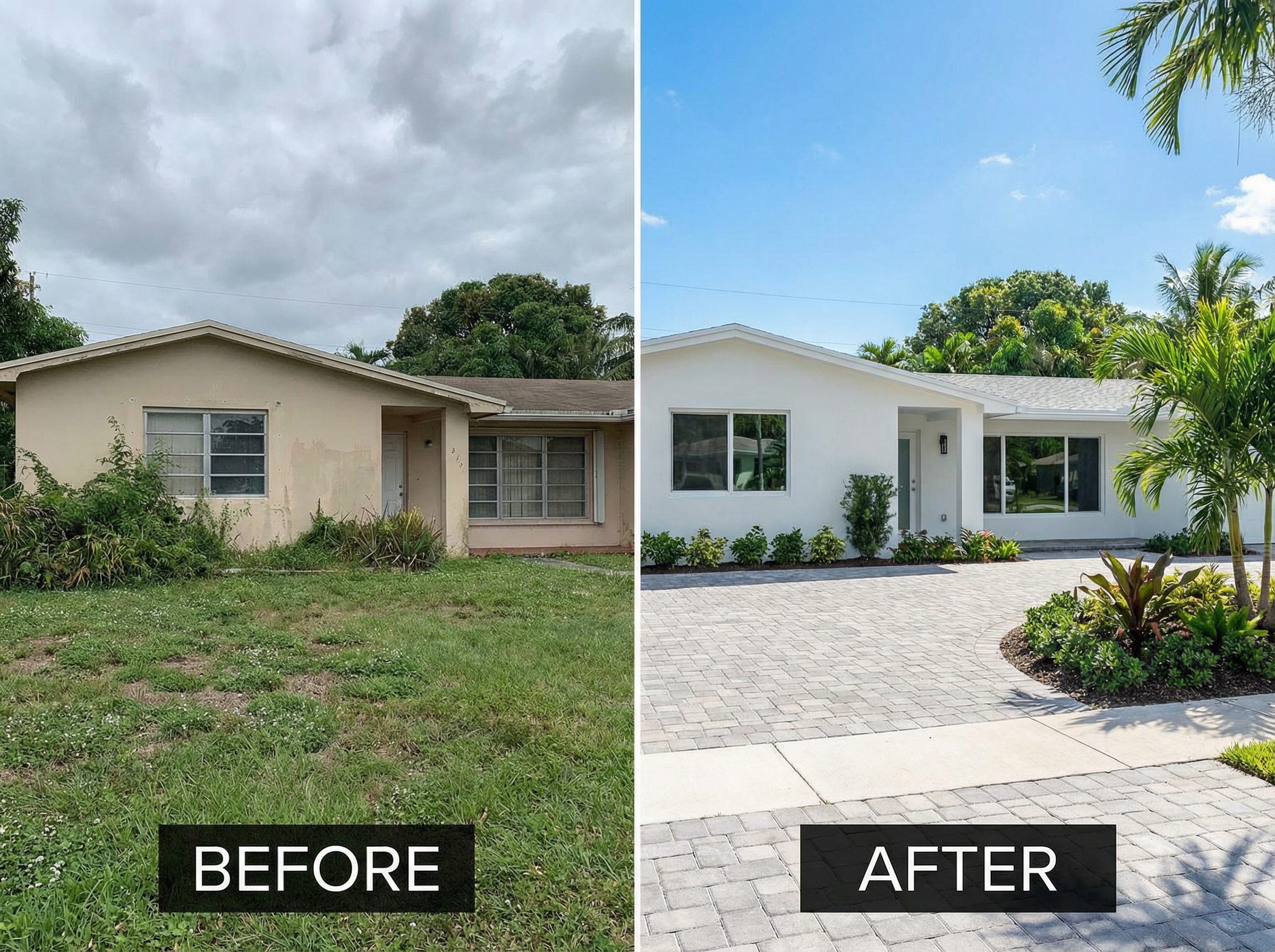
Before and after property renovation

Real estate remains one of the most powerful ways to build wealth. In fact, many people use real estate to create passive income, increase their net worth, and protect their money from inflation.

Even better, the market in 2026 is becoming more stable. Unlike the fast and stressful market of previous years, buyers now have more time to make smart decisions. As a result, beginners have a better chance to enter the market successfully.

Therefore, if you are thinking about investing this year, this guide will show you exactly how to start.


Why 2026 Is a Good Year to Start Investing

First of all, the real estate market is calmer. Home prices are growing more slowly, which means buyers can make careful decisions instead of rushing.

In addition, more homes are becoming available. This gives investors more options and stronger negotiating power.

Also, interest rates may improve over time. Because of this, financing could become more affordable.

As a result, investors who prepare now may find strong opportunities.


Step 1: Understand Your Investment Goal

Before buying anything, you must understand your goal. This is important because your goal will guide your entire strategy.

For example, you may want:

• Monthly rental income
• Long-term property appreciation
• Quick profit from flipping homes
• Passive income for retirement

Most beginners choose rental properties. This is because they provide steady income and long-term growth.


Step 2: Learn the Most Important Numbers

Successful investors focus on numbers, not emotions. Therefore, you should understand these three key metrics:

1. Cash Flow

This is the money left after all expenses.

Make sure rent covers:

• Mortgage
• Taxes
• Insurance
• Repairs
• Property management

Positive cash flow means the property makes money.

2. Cap Rate

This shows your return based on the property price. Higher cap rates usually mean better returns.

3. Loan-to-Value Ratio (LTV)

This shows how much you are borrowing compared to the property value. Lower LTV means lower risk.


Step 3: Improve Your Credit and Financial Position

Next, review your finances. Better credit helps you get lower interest rates and better loan terms.

You can improve your credit by:

• Paying bills on time
• Reducing credit card balances
• Fixing credit report errors
• Avoiding new debt before applying

Even small improvements can save thousands of dollars over time.


Step 4: Choose the Right Type of Investment Property

There are several types of real estate investments. Each offers different benefits.

Long-Term Rental

• Most beginner-friendly
• Provides steady income
• Builds long-term wealth

Short-Term Rental

• Higher income potential
• Requires more management

Fix and Flip

• Faster profit potential
• Higher risk

House Hacking

• Live in one part and rent the rest
• Lower living expenses


Step 5: Choose the Right Location

Location is one of the most important factors. Even a great property can fail in the wrong area.

Look for areas with:

• Job growth
• Population growth
• New development
• Strong rental demand

Additionally, suburbs are growing faster because many people work remotely and want more space.


Step 6: Understand 2026 Market Trends

Technology is also changing real estate. Homes with smart features are becoming more valuable.

Examples include:

• Smart thermostats
• Smart locks
• Energy-efficient appliances
• Solar panels

These features can increase rental income and property value.

Additionally, more homes are available now. This gives buyers better negotiating power.


Step 7: Get Pre-Approved for Financing

Before shopping, get pre-approved. This shows sellers you are serious.

Loan options include:

• Conventional loans
• FHA loans
• Investment property loans
• DSCR loans for investors

Pre-approval also helps you understand your budget.


Step 8: Look for Properties You Can Improve

One of the best ways to increase profit is through simple upgrades.

For example:

• Fresh paint
• Updated lighting
• New appliances
• Improved landscaping
• Smart home upgrades

These improvements can increase rent and property value.


Step 9: Build Your Real Estate Team

Real estate investing becomes easier with the right team.

Your team should include:

Real estate agent
• Lender
• Inspector
• Contractor
• Property manager

They help you avoid mistakes and protect your investment.


Step 10: Start Small and Grow Over Time

Most successful investors start with just one property. Then, they grow over time.

For example:

Year 1: Buy 1 property
Year 3: Buy 2 properties
Year 5: Build a portfolio

Consistency builds wealth.


Common Mistakes to Avoid

Avoid these common mistakes:

• Not researching the market
• Ignoring cash flow
• Overpaying for property
• Waiting too long to start
• Buying based on emotion

Instead, focus on long-term strategy.


 Real Estate Is Still One of the Best Wealth Tools

Real estate investing in 2026 offers strong opportunities. The market is more stable, inventory is improving, and buyers have more negotiating power.

Most importantly, you do not need to be wealthy to start.

Start small. Focus on numbers. Build over time.

Real estate remains one of the best ways to build long-term wealth.

Buyers February 16, 2026

Is South Florida a Buyer’s Market in 2026? What Broward & Miami‑Dade Buyers Need to Know

Buyer’s Guide

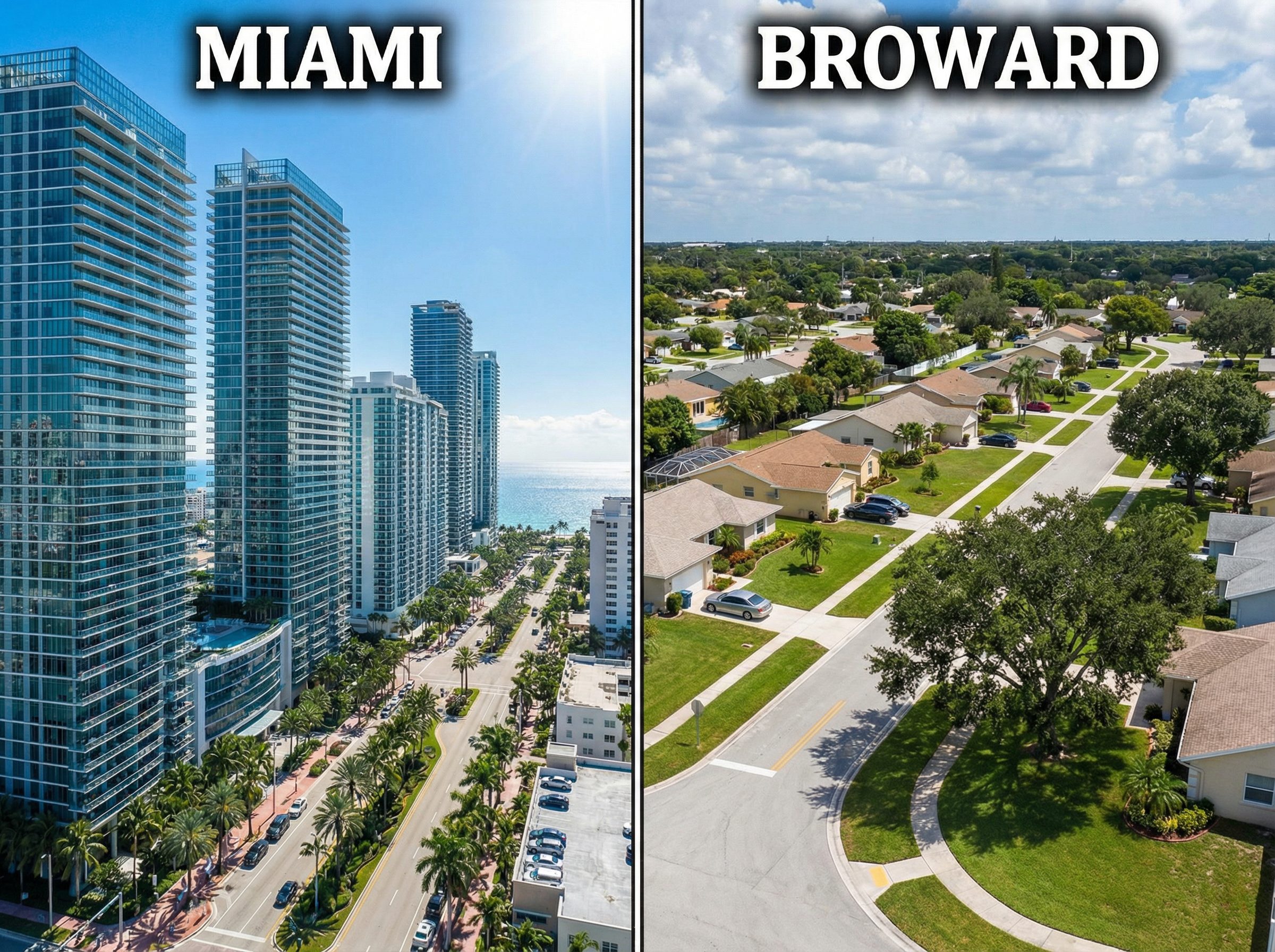
Condo towers on left, suburban homes on right.

Quick Snapshot: What’s Changing in South Florida 

South Florida buyers are seeing more choices and more time than they had a couple years ago. Because of that, many sellers are negotiating again. However, every neighborhood still moves at its own pace, so the key is to shop with local data and a clear plan. 

What “Buyer’s Market” Means in Simple Terms 

A buyer’s market happens when there are more homes for sale than buyers ready to buy. As a result, listings may sit longer, and sellers may offer better terms. For buyers, that can mean room to ask for repairs, credits, or price changes. 

How This Looks in Broward County 

In Broward, buyers often see more single‑family options and more price adjustments on homes that sit too long. Because buyers can compare many similar homes, sellers who want to move quickly usually price more carefully or offer help with closing costs. 

How This Looks in Miami‑Dade County 

In Miami‑Dade, conditions can change street by street. Condos and townhomes are a bigger part of the market, so HOA fees and building rules matter. Therefore, smart buyers review monthly fees early and compare the full payment, not just the sticker price. 

The 3 Numbers Buyers Should Watch 

First, watch days on market—longer times usually mean more negotiating room. Next, watch price reductions—those show where sellers are adjusting. Finally, watch the total monthly cost, including taxes, insurance, and HOA fees. 

Smart Steps to Buy With Confidence 

Start with a strong pre‑approval. Then, pick 3–5 target neighborhoods and compare at least 5–10 homes before deciding. After that, write an offer that protects you with inspections. Finally, ask for concessions when the home has been sitting or needs updates. 

Closing Thought 

This market rewards prepared buyers. When you understand the numbers and the neighborhoods, you can negotiate calmly and choose the home that fits your life. 

FAQs 

Q: Is South Florida a buyer’s market right now? 

A: In many areas, buyers have more choices and more time than before. However, it still depends on the neighborhood and price range. 

Q: What does a buyer’s market mean for me? 

A: It usually means you may be able to negotiate more, like asking for closing cost help, repairs, or a price adjustment. 

Q: Are prices dropping in Broward and Miami‑Dade? 

A: Some homes are seeing price cuts, especially if they sit longer. Still, pricing is local, so one city can look different from another. 

Q: What should buyers focus on besides price? 

A: Focus on the full monthly cost: mortgage, taxes, insurance, and HOA fees if there is an HOA. 

Q: How do I find homes with price drops? 

A: Set listing alerts and track updates daily. A local agent can also pull a “price decrease” list fast. 


Foreclosure February 13, 2026

Foreclosure Alternatives in Florida: Pros and Cons Every Homeowner Should Know

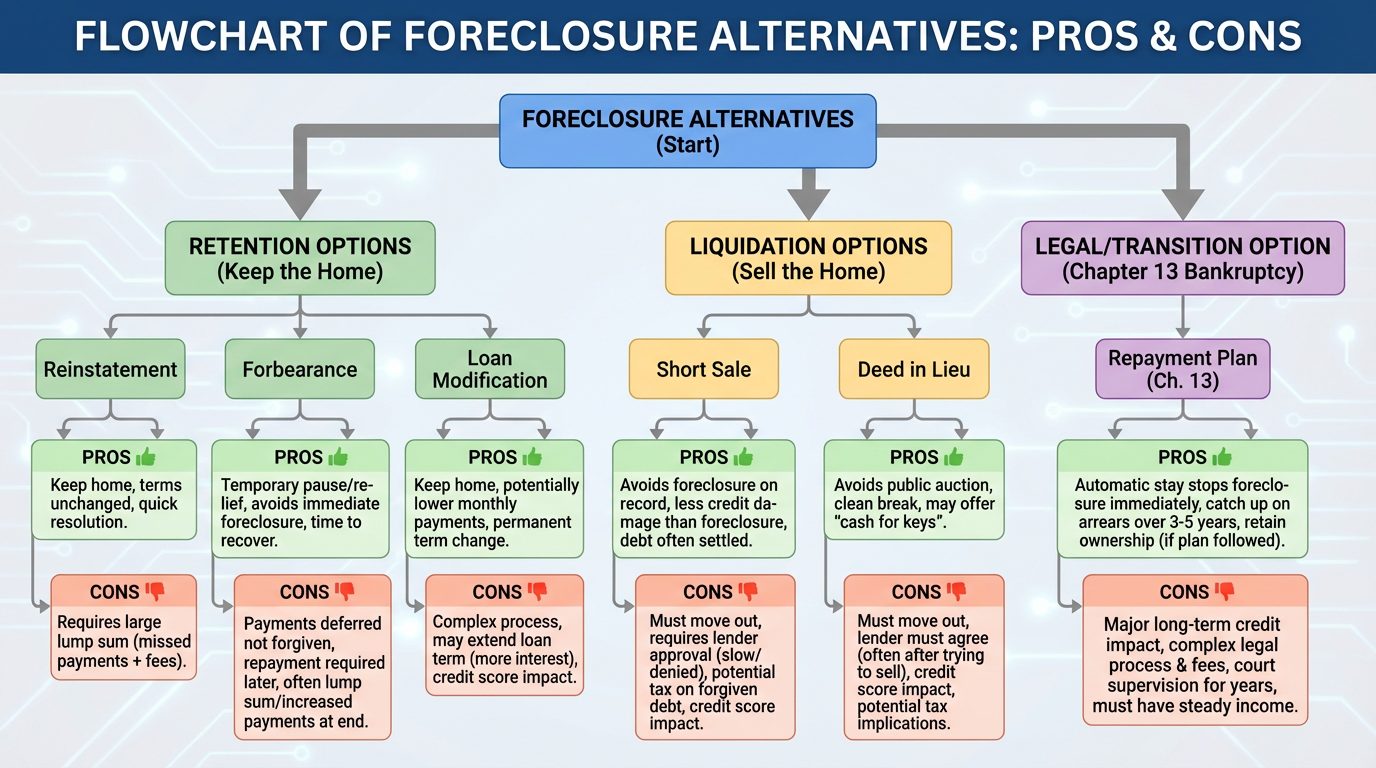
Flowchart of foreclosure alternatives with pros and cons

Falling behind on your mortgage can feel scary. However, you are not alone. In fact, thousands of Florida homeowners face financial hardship each year due to job loss, medical bills, divorce, or rising expenses.

But here’s the good news: foreclosure is not your only option.

There are several foreclosure alternatives in Florida. Each option has benefits and risks. Therefore, it is important to understand them before making a decision.

Let’s break them down clearly and simply.


Why Avoid Foreclosure?

First, let’s talk about why foreclosure can hurt.

Foreclosure can:

  • Lower your credit score by 100–160 points

  • Stay on your credit report for up to 7 years

  • Make it harder to buy another home

  • Add stress and legal costs

Because of this, many homeowners look for better solutions.


1. Loan Modification

A loan modification changes the terms of your current mortgage. For example, the lender may lower your interest rate, extend the loan term, or add missed payments to the end of the loan.

✅ Pros:

  • You keep your home

  • Lower monthly payments

  • Avoid foreclosure on your record

❌ Cons:

  • Approval is not guaranteed

  • Paperwork can be long and stressful

  • Trial period payments may be required


2. Repayment Plan

With a repayment plan, the lender allows you to catch up on missed payments over time while continuing regular payments.

✅ Pros:

  • Simple solution

  • Keeps foreclosure off your record

  • Good for short-term hardship

❌ Cons:

  • Monthly payments may increase temporarily

  • Not ideal for long-term financial problems


3. Forbearance

Forbearance allows you to pause or reduce payments for a short time.

✅ Pros:

  • Immediate relief

  • Helpful during job loss or medical emergency

❌ Cons:

  • Payments are not forgiven

  • Lump sum may be due later

  • Temporary solution only


4. Short Sale

In a short sale, you sell your home for less than what you owe. The lender agrees to accept the lower amount.

✅ Pros:

  • Less damage to credit than foreclosure

  • Avoids public foreclosure process

  • Possible relocation assistance

❌ Cons:

  • Lender approval required

  • Can take several months

  • You must prove hardship


5. Deed in Lieu of Foreclosure

This means you voluntarily transfer ownership of your home to the lender instead of going through foreclosure.

✅ Pros:

  • Faster than foreclosure

  • Less public

  • May reduce legal costs

❌ Cons:

  • You lose the home

  • Credit still affected

  • Not all lenders accept it


6. Selling Before Foreclosure

If you still have equity, selling your home may be the best option.

In fact, in many parts of South Florida, home values have increased over the past several years. Therefore, some homeowners can sell, pay off the mortgage, and walk away with money.

✅ Pros:

  • Protects your credit

  • You may walk away with cash

  • Full control of the sale

❌ Cons:

  • Must act quickly

  • Market conditions matter


Which Foreclosure Alternative Is Best?

The right choice depends on:

  • Your income

  • Your hardship situation

  • Your home equity

  • Your long-term goals

Because every case is different, it is important to speak with a knowledgeable real estate professional and possibly a housing counselor.

The sooner you act, the more options you have.


Foreclosure alternatives in Florida can help you protect your credit, reduce stress, and regain control. However, waiting too long can limit your choices.

If you are behind on payments, take action now. There are solutions available.

You deserve clear information and real options.

To help homeowners make informed decisions, we are hosting a Foreclosure Educational Workshop on February 19th at 6:00 PM.This workshop is designed to provide clear, educational information so you can understand your options and make the best decision for your situation.

If you or someone you know is facing foreclosure, sign up for the workshop using the link below.

click here to reserve your spot.


Foreclosure February 12, 2026

Myths About Foreclosure in Florida That Hurt Homeowners

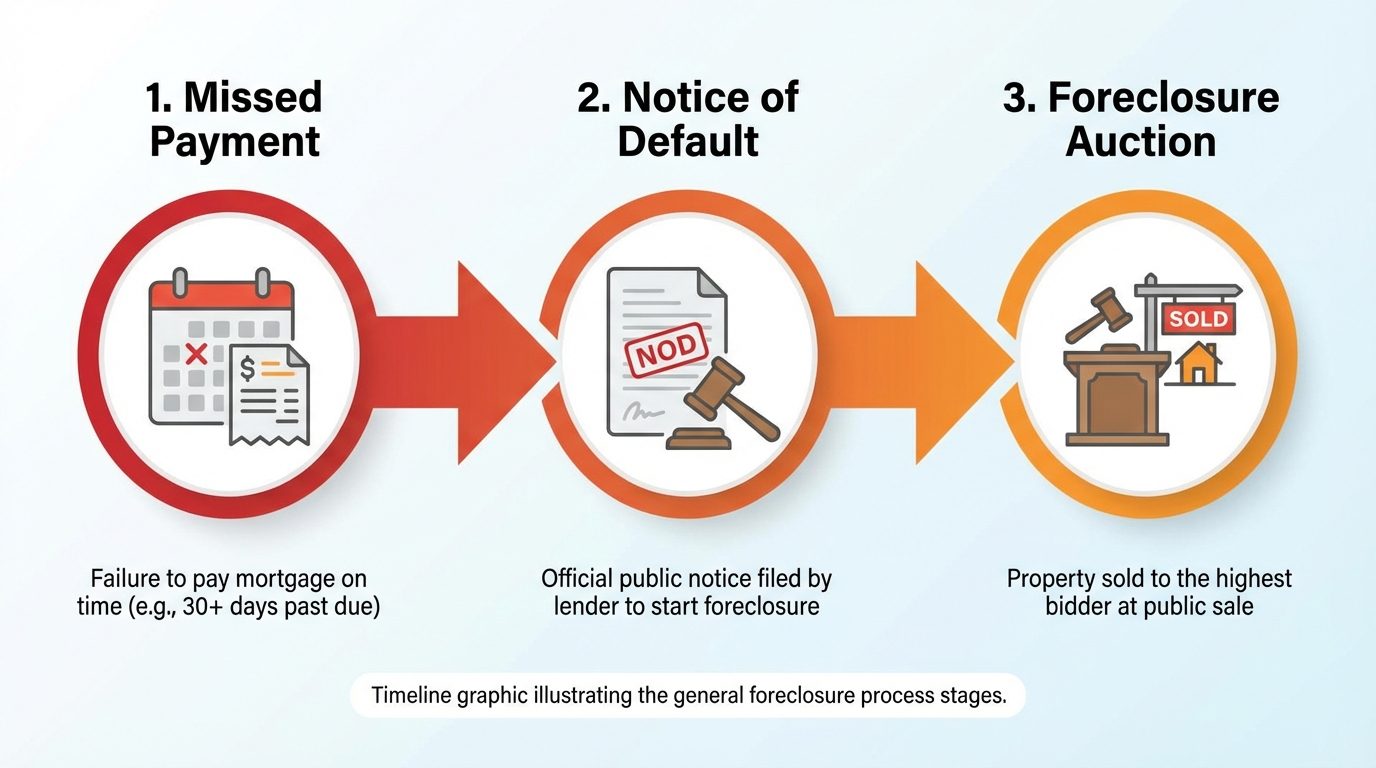
Timeline graphic showing Missed Payment → Notice of Default → Foreclosure Auction

Facing foreclosure is stressful, and misinformation can make it even worse. Many Florida homeowners believe myths that prevent them from taking action to save their homes. Let’s debunk these myths and give you the facts.

Myth 1: “Once I’m Behind, I’m Losing My Home”

Many homeowners think missing one or two payments means foreclosure is inevitable. In reality, Florida law gives homeowners time. Lenders must go through a legal process called judicial foreclosure, which can take months. During this period, homeowners can negotiate solutions like repayment plans or loan modifications.


Myth 2: “I Can’t Do Anything Once the Bank Files Foreclosure”

Even after the bank starts foreclosure, options exist. You can:

  • Apply for a short sale

  • Ask for loan modification

  • Consider deed in lieu of foreclosure

These solutions may allow you to keep your credit healthier and avoid full foreclosure.


Myth 3: “I’ll Lose Everything if I File Bankruptcy”

Bankruptcy doesn’t always mean losing your home. Chapter 13 bankruptcy can pause foreclosure while you create a repayment plan. It’s a tool to protect your home and get back on track financially.


Myth 4: “Foreclosure Doesn’t Affect My Credit Much”

Foreclosure can stay on your credit report for up to 7 years, making it harder to buy another home or get loans. Acting early with pre-foreclosure options can reduce the long-term impact.


Myth 5: “I Don’t Need a Professional to Help Me”

Navigating foreclosure in Florida can be tricky. Snidwing Black as a Certified Distressed Property Expert (CDPE) can guide homeowners through negotiations and legal options. Professional help often leads to better outcomes.


Takeaway

Don’t let myths prevent you from protecting your home. Florida homeowners facing foreclosure have multiple options if they act quickly. Understanding your rights and seeking guidance can save your home and financial future.


Buyers February 11, 2026

Coral Springs, FL Real Estate: Prices & Trends in 2026

Kitchen, living room, backyard

Coral Springs, Florida continues to be one of the most talked-about real estate markets in South Florida. Whether you are buying, selling, or investing, this city offers great opportunities. In this guide, we explain the market prices, average home costs and where the market is headed in a simple, easy-to-understand format.


Home Prices in Coral Springs (2025–2026)

Across Coral Springs, home prices can vary a lot based on size, age, and location. Latest data shows a range of price results depending on the source and time period:

  • The median home price for all homes sold in late 2025 was about $714,000 — up about 8.5% from the year before.

  • Other reports show the median price around $599,000 — $657,000 depending on the month.

  • Zillow reports an average home value around $513,000 reflecting broader market conditions and pending sale data.

 What This Means

✔️ Prices can be higher in sought-after, established neighborhoods
✔️ Prices may be lower in smaller or older areas
✔️ The market is more balanced than super-heated — homes often stay on the market for 40–80+ days before going under contract.


Average Price for a 3 Bed / 2 Bath Home

While exact averages depend on neighborhood and home condition, recent sales suggest:
 A 3 bedroom, 2 bathroom single-family home in Coral Springs typically falls in the $550,000 to $700,000 range, often depending on size, upgrades, and location within the city.
Some homes may sell below this range in smaller or older subdivisions, while larger or updated homes can sell for more.


Price Ranges You May See Today

Here’s a simplified view of pricing based on recent MLS data and reported sales:
Existing Homes:

  • Starter 3/2: From around $475,000 – $550,000

  • Mid-range 3/2: Around $550,000 – $700,000

  • Larger / luxury homes: $700,000+ and up


Why People Move to Coral Springs

Coral Springs is popular because:

  • It has family-friendly neighborhoods

  • Various schools and recreational parks

  • A balance of quiet living and city convenience

  • A stable real estate market


Market Trends Going Forward

  • The market is more balanced now  not as frenzied as during rapid pandemic growth.

  • Higher inventory and slightly longer days on market can mean more buyer negotiation power.

  • Sellers with well-priced, move-in-ready homes continue to attract attention quickly


Foreclosure February 10, 2026

Pre-Foreclosure vs Short Sale vs Foreclosure: What’s the Difference?

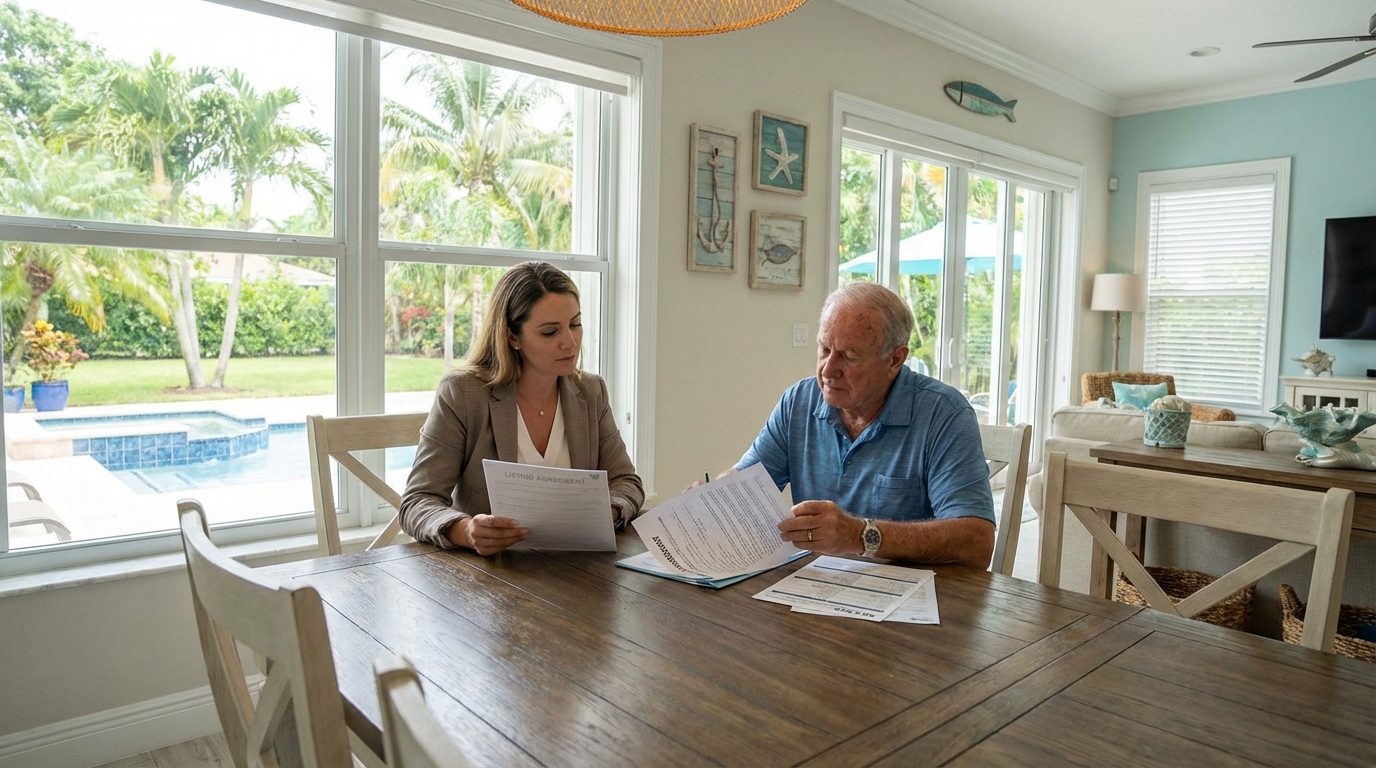
Realtor meeting with a homeowner

If you are behind on your mortgage, you may feel scared or confused. However, you are not alone. Many homeowners go through this every year. The good news is that you usually have options.

In this guide, we will clearly explain pre-foreclosure, short sale, and foreclosure in simple terms. More importantly, you will learn how they are different and what each one could mean for you.


What Is Pre-Foreclosure?

Pre-foreclosure is the early warning stage. This happens when you miss mortgage payments, but the lender has not taken your home yet.

At this point, the lender sends notices letting you know that the loan is past due. Because of that, this stage is often the best time to act.

What Pre-Foreclosure Means for Homeowners

  • You still own your home
  • You may be able to catch up on payments
  • You can sell the home before foreclosure
  • You have time to explore solutions

Most importantly, pre-foreclosure gives you more control and more choices.


What Is a Short Sale?

A short sale happens when you sell your home for less than what you owe, and the lender agrees to accept that amount.

Usually, short sales are used when:

  • The home value dropped
  • The homeowner cannot afford payments anymore
  • Foreclosure has not happened yet

Even though it sounds negative, a short sale is often less damaging than foreclosure.

Pros and Cons of a Short Sale

Pros:

  • Avoids foreclosure
  • Less harm to your credit than foreclosure
  • You may qualify for another mortgage sooner

Cons:

  • Requires lender approval
  • Takes time and paperwork
  • Not guaranteed

Still, many homeowners choose this option because it allows a more graceful exit.


What Is Foreclosure?

Foreclosure is the final step. This happens when the lender takes back the home because the loan was not paid.

At this stage:

  • The homeowner loses ownership
  • The property may be sold at auction
  • Credit damage is severe

Because of this, foreclosure should be the last resort whenever possible.

How Foreclosure Affects You

  • Major credit score drop
  • Difficulty buying or renting later
  • Emotional stress
  • Possible relocation issues

Therefore, acting early is extremely important.


Pre-Foreclosure vs Short Sale vs Foreclosure: Quick Comparison

Option You Own the Home? Credit Impact Control Level
Pre-Foreclosure Yes Low to Medium High
Short Sale Until Sold Medium Medium
Foreclosure No High Very Low

As you can see, the earlier you act, the better the outcome usually is.


Can You Sell During Any of These Stages?

Yes. In fact, even during pre-foreclosure or short sale, buyers are still looking. Homes sell every day, even in challenging situations.

The key is to:

  • Price the home correctly
  • Market it professionally
  • Work with someone who understands distressed properties

Timing matters, but you do not have to wait for the perfect moment to take action.


Falling behind on your mortgage does not mean you are out of options. Pre-foreclosure, short sale, and foreclosure are very different paths, and each one comes with different results.

Most importantly, the sooner you ask for help, the more choices you have. Education is power, and understanding these options can help you move forward with confidence.


Sellers February 9, 2026

Questions to Ask Before Listing Your Home in South Florida

A south Florida Home for Sale

Selling your home in South Florida can be an exciting step. At the same time, it can feel stressful if you are not sure where to start. Before you list your home, it is important to ask the right questions. Doing so can help you sell with confidence and avoid costly mistakes.

While there are times of the year when more buyers are looking, the truth is this: you can sell your home whenever you are ready to sell. With the right price and strategy, homes sell year-round in South Florida.


1. Am I Personally Ready to Sell My Home?

First and most importantly, ask yourself if you are ready. Life changes like a new job, growing family, downsizing, or financial goals often matter more than the season.

Even though winter and early spring usually bring more buyers to South Florida, homes sell in every month of the year. Therefore, if selling now fits your life, it may be the right time for you.

Ask yourself:

  • Do I have a clear plan for my next move?

  • Am I financially prepared to sell?

  • Does selling now align with my goals?


2. Is Now a Good Time in the South Florida Market?

Next, consider what the local market is doing. While buyer activity may rise during certain months, motivated buyers are always searching especially investors, relocation buyers, and cash buyers.

Because of this, the right pricing and marketing plan can attract buyers at any time.

Ask:

  • How many homes are for sale in my neighborhood?

  • How quickly are homes selling right now?

  • Are buyers negotiating more or less?

A local market expert can help you understand current trends and guide your timing.


3. How Much Is My Home Worth Right Now?

Then, pricing becomes one of the most important decisions. A well-priced home can sell quickly, no matter the season.

Instead of guessing, ask:

  • What have similar homes sold for recently?

  • What features add value in South Florida, such as pools or impact windows?

  • How does my home compare to others on the market?

Correct pricing helps attract serious buyers and reduce time on the market.


4. Should I Make Repairs or Sell As-Is?

After that, think about your home’s condition. Some sellers prefer to make updates, while others choose to sell as-is.

In South Florida, buyers often pay attention to:

  • Roof condition and age

  • Air conditioning systems

  • Hurricane protection

  • Plumbing and electrical systems

Ask:

  • Which repairs will help my home sell faster?

  • Will buyers accept the home as-is?

  • Will repairs increase my bottom line?

Your strategy should match your budget and timeline.


5. What Costs Should I Expect When Selling?

Many homeowners underestimate the cost of selling. Knowing these numbers early helps you plan and avoid surprises.

Typical selling costs include:

  • Real estate commissions

  • Title and closing fees

  • Property tax adjustments

  • HOA or condo fees

Understanding these costs allows you to plan your net proceeds more accurately.


6. How Will My Home Be Marketed to Buyers Year-Round?


Professional listing photos

Now more than ever, marketing matters. Since buyers are looking all year, your home needs to stand out online and in person.

Ask:

  • Will my home have professional photos and video?

  • Will it be marketed online and on social media?

  • How will you reach out-of-state and international buyers?

Strong marketing ensures your home gets attention, no matter the season.


7. What Makes My South Florida Home Special?

A beautiful beach

Every home has features that attract buyers. Highlighting those features helps your home stand out.

South Florida buyers often look for:

  • Outdoor living spaces

  • Proximity to beaches or highways

  • Energy-efficient upgrades

  • Investment or rental potential

Knowing what makes your home unique helps buyers see its true value.


8. What Happens After I Receive an Offer?

Finally, understanding the process after an offer helps reduce stress.

Ask:

  • How do negotiations work?

  • What happens during inspections?

  • How long does closing usually take in Florida?

When you know what to expect, you can move through the sale with confidence.


In conclusion, while there are seasons when more buyers are searching, you do not have to wait for a “perfect” time to sell. Homes sell year-round in South Florida when the price, condition, and marketing are right.

The best time to sell is when you are ready and have a clear plan in place. Asking the right questions and working with a local expert can help you sell smoothly and successfully.

Buyers February 6, 2026

Florida Is Planning to Abolish Property Taxes: What This Could Mean for Homeowners and Out-of-State Buyers

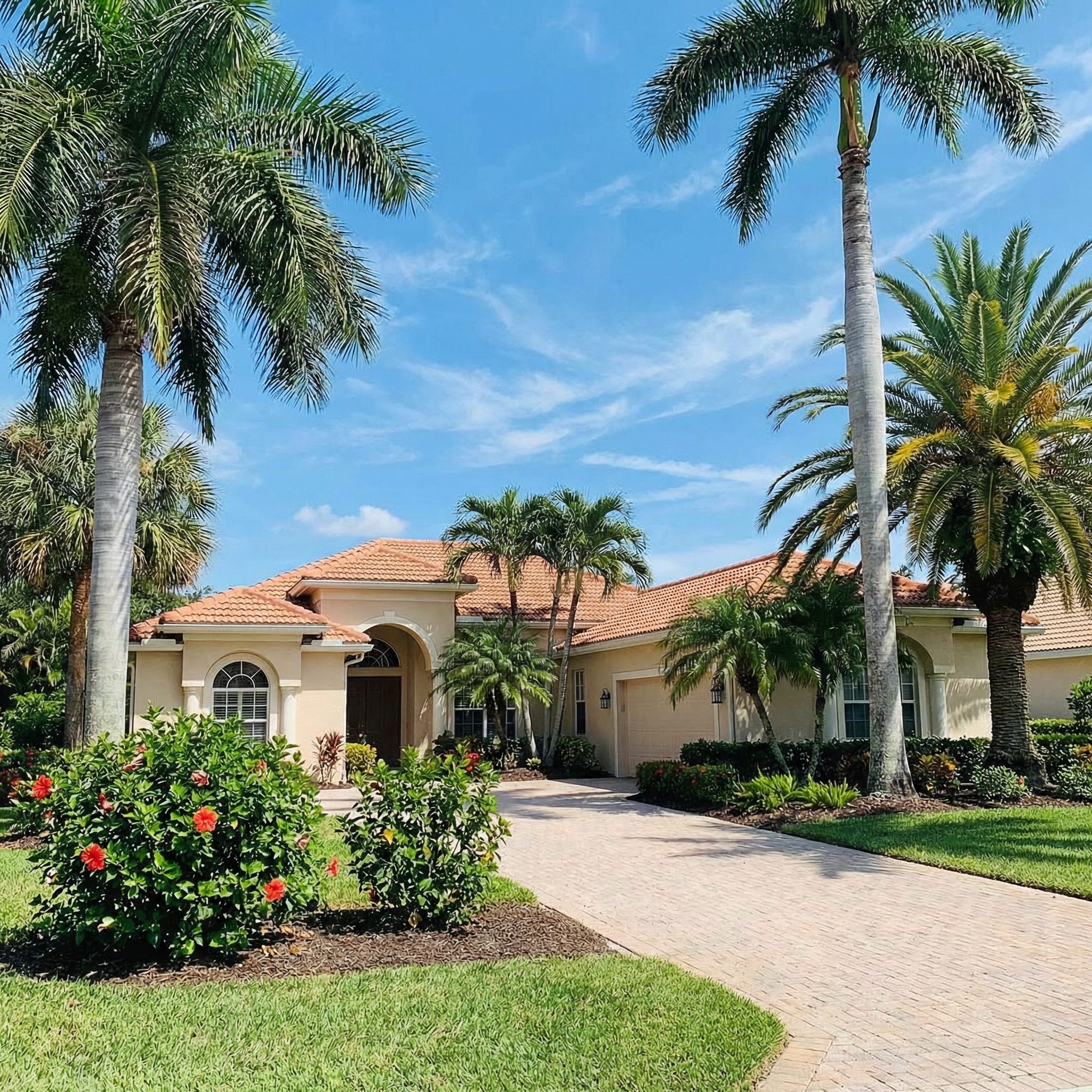
A beautiful South Florida Home

Florida may be heading toward one of the biggest tax changes in its history. Recently, state leaders introduced plans that could greatly reduce or even eliminate property taxes for homeowners. Because property taxes affect nearly everyone who owns a home, this proposal has sparked strong opinions across the state.

On one hand, many Floridians welcome the idea of lower taxes. On the other hand, many experts worry about how cities and counties would pay for important services without that money.

So, what exactly is Florida planning? And more importantly, what does this mean for current residents and out-of-state buyers? Let’s break it down in a simple way.


What Is Florida Proposing?

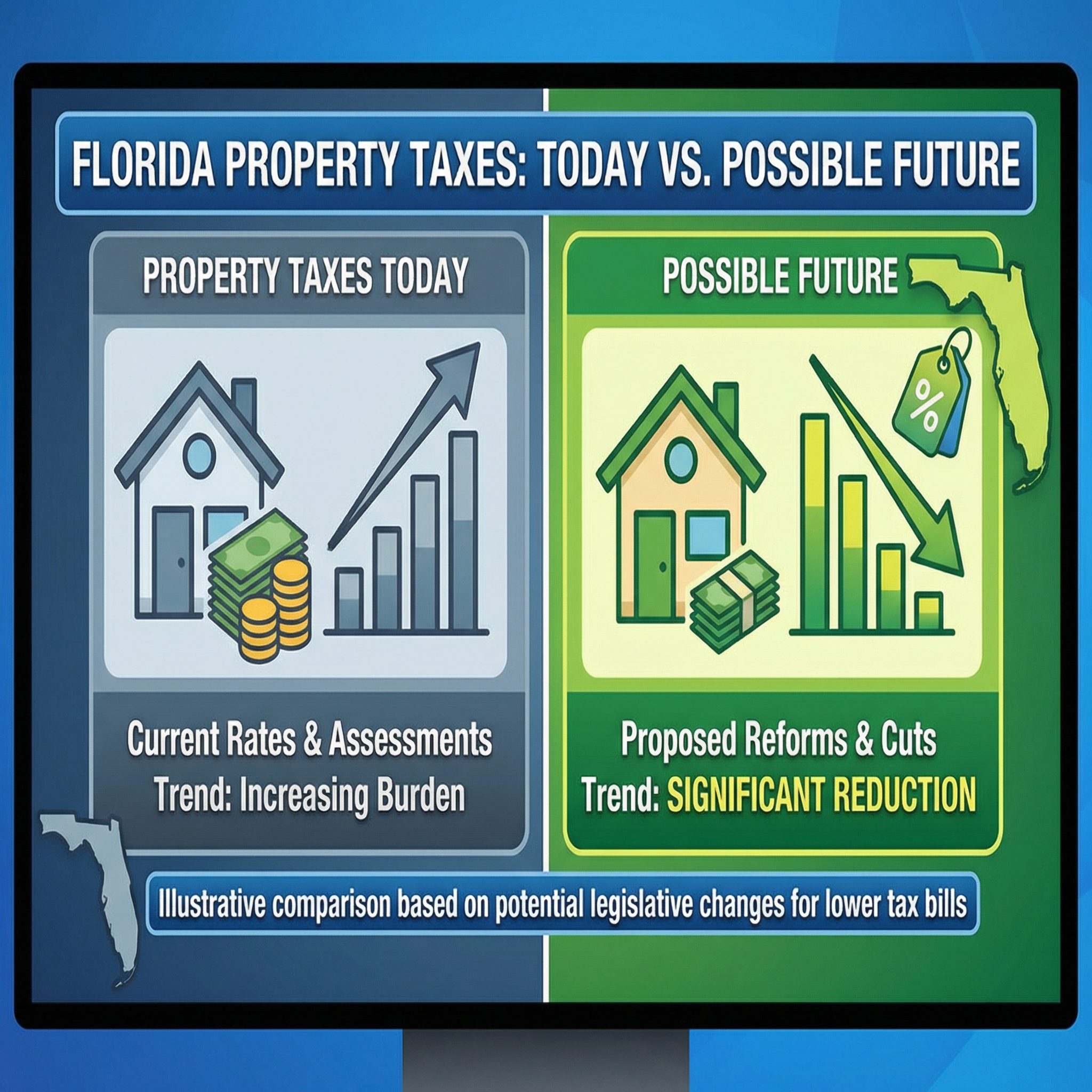
Right now, Florida lawmakers are discussing several proposals that would slowly phase out property taxes, especially on primary homes that qualify for the homestead exemption.

Instead of removing property taxes all at once, the plan would reduce them little by little over many years. Eventually, homeowners could pay very little or no property tax on their main residence.

However, it is important to understand that nothing has been approved yet. Before any major change happens, voters would need to approve a constitutional amendment during a future election.


Why Is Florida Considering This Change?

First of all, property taxes have increased sharply in many parts of Florida. As home values rise, tax bills rise too. Because of this, many homeowners especially seniors and families on fixed incomes are struggling to keep up.

At the same time, Florida does not have a state income tax. Because of that, some lawmakers believe property taxes are an unfair burden and want to shift the tax system to something else, like sales taxes or service fees.

In addition, Florida continues to attract new residents from high-tax states. As a result, leaders see tax reform as a way to keep Florida affordable and competitive.


How Would This Help Florida Homeowners?

If property taxes are reduced or removed, homeowners could see several benefits.

First, monthly housing costs would go down, especially for people who own their homes outright. That could make it easier for seniors to stay in their homes longer.

Next, homeowners would have more predictable expenses. Instead of worrying about rising tax bills every year, families could better plan their budgets.

Finally, lower taxes could make owning a home in Florida even more appealing, which may increase long-term stability for many neighborhoods.


What Are the Concerns?

Even though lower taxes sound great, there are serious concerns.

Property taxes help pay for local services, including:

  • Public schools

  • Police and fire departments

  • Road repairs

  • Parks and libraries

If property taxes disappear, that money has to come from somewhere else. Otherwise, local governments could be forced to cut services or raise other taxes.

Because of this, many experts worry that Florida could end up with:

  • Higher sales taxes

  • New fees on services

  • Increased costs in other areas

In other words, homeowners might save on property taxes but pay more in different ways.


How Could This Affect Home Prices?

Lower property taxes often make homes more attractive to buyers. As a result, demand could increase.

When demand goes up, home prices often rise. So, while homeowners might save on taxes, future buyers could face higher purchase prices.

Therefore, it’s possible that property tax savings could be partially offset by higher home values, especially in popular areas like South Florida.


What Does This Mean for Out-of-State Buyers?

For buyers moving to Florida from other states, this proposal could be very appealing.

First, Florida already offers no state income tax. If property taxes are also reduced, Florida could become one of the most tax-friendly states in the country.

As a result, out-of-state buyers may:

  • Rush to buy before prices rise

  • See Florida as a long-term tax savings opportunity

  • Increase competition in already hot markets

However, buyers should also be aware that if property taxes are removed, other taxes may increase. That could affect overall affordability over time.


What Should Buyers and Homeowners Do Now?

At this point, the best step is to stay informed. These proposals are still being debated, and many details could change.

Homeowners should:

  • Watch for updates on ballot measures

  • Understand how their local services are funded

  • Plan for both short-term savings and long-term changes

Buyers, especially those from out of state, should:

  • Work with a knowledgeable local real estate professional

  • Understand total ownership costs, not just taxes

  • Move strategically, not emotionally


To Bring This to an End

Florida’s plan to abolish property taxes could reshape the housing market for years to come. While the idea offers clear benefits, it also brings serious questions about funding, affordability, and long-term impact.

For both Floridians and out-of-state buyers, the key is balance. Lower taxes can be exciting, but smart planning and good information matter even more.


If you’re considering a move to Florida or want to understand how this affects your property, we’re here to help!

Remember: Knowledge is power in real estate. By staying informed in 2026, you’ll make the best decisions for your future.