Facebook
 X
X
 Pinterest
 Copy Link
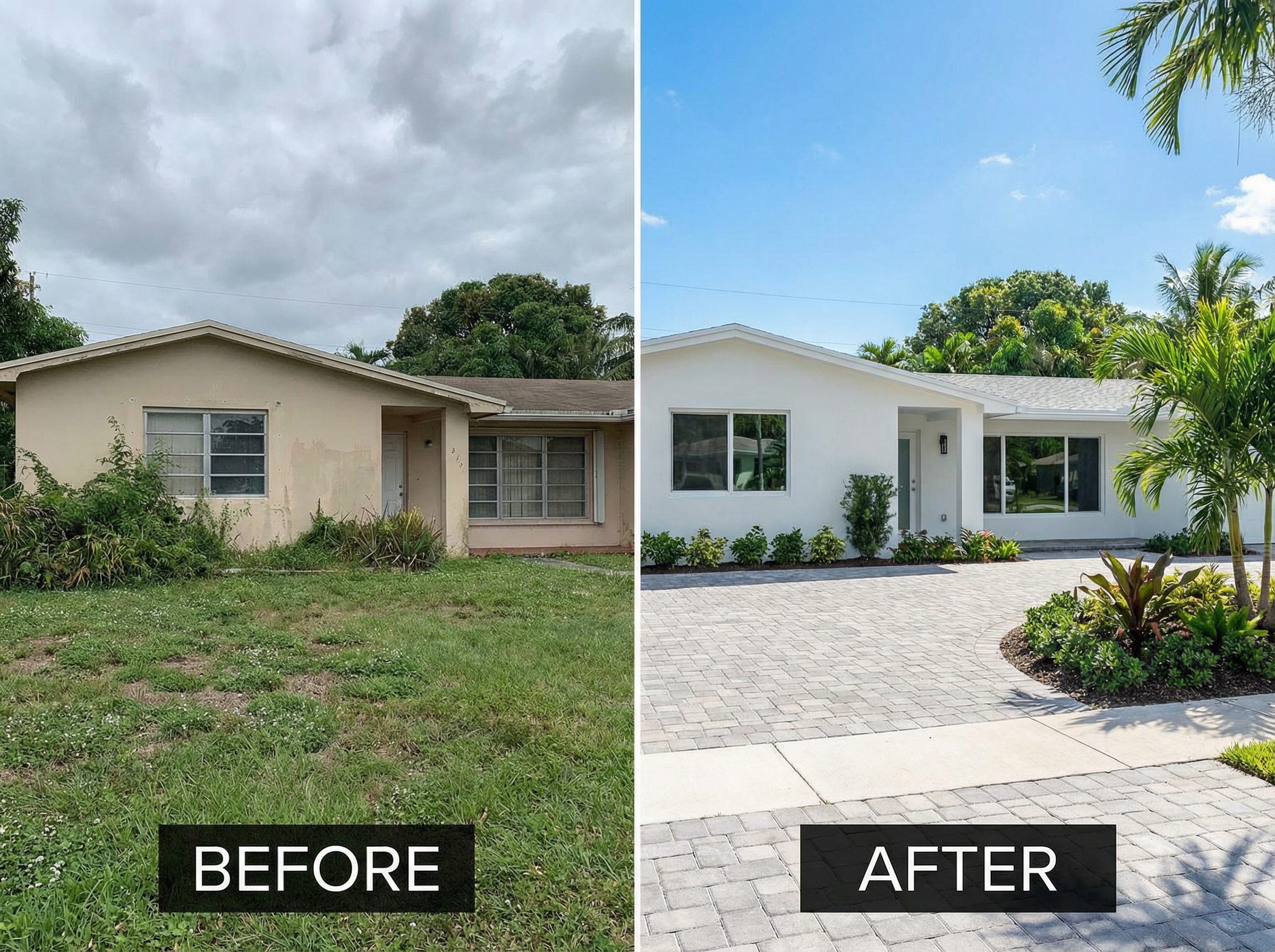
Before and after property renovation
Real estate remains one of the most powerful ways to build wealth. In fact, many people use real estate to create passive income, increase their net worth, and protect their money from inflation.
Even better, the market in 2026 is becoming more stable. Unlike the fast and stressful market of previous years, buyers now have more time to make smart decisions. As a result, beginners have a better chance to enter the market successfully.
Therefore, if you are thinking about investing this year, this guide will show you exactly how to start.
Why 2026 Is a Good Year to Start Investing
First of all, the real estate market is calmer. Home prices are growing more slowly, which means buyers can make careful decisions instead of rushing.
In addition, more homes are becoming available. This gives investors more options and stronger negotiating power.
Also, interest rates may improve over time. Because of this, financing could become more affordable.
As a result, investors who prepare now may find strong opportunities.
Step 1: Understand Your Investment Goal
Before buying anything, you must understand your goal. This is important because your goal will guide your entire strategy.
For example, you may want:
• Monthly rental income
• Long-term property appreciation
• Quick profit from flipping homes
• Passive income for retirement
Most beginners choose rental properties. This is because they provide steady income and long-term growth.
Step 2: Learn the Most Important Numbers
Successful investors focus on numbers, not emotions. Therefore, you should understand these three key metrics:
1. Cash Flow
This is the money left after all expenses.
Make sure rent covers:
• Mortgage
• Taxes
• Insurance
• Repairs
• Property management
Positive cash flow means the property makes money.
2. Cap Rate
This shows your return based on the property price. Higher cap rates usually mean better returns.
3. Loan-to-Value Ratio (LTV)
This shows how much you are borrowing compared to the property value. Lower LTV means lower risk.
Step 3: Improve Your Credit and Financial Position
Next, review your finances. Better credit helps you get lower interest rates and better loan terms.
You can improve your credit by:
• Paying bills on time
• Reducing credit card balances
• Fixing credit report errors
• Avoiding new debt before applying
Even small improvements can save thousands of dollars over time.
Step 4: Choose the Right Type of Investment Property
There are several types of real estate investments. Each offers different benefits.
Long-Term Rental
• Most beginner-friendly
• Provides steady income
• Builds long-term wealth
Short-Term Rental
• Higher income potential
• Requires more management
Fix and Flip
• Faster profit potential
• Higher risk
House Hacking
• Live in one part and rent the rest
• Lower living expenses
Step 5: Choose the Right Location
Location is one of the most important factors. Even a great property can fail in the wrong area.
Look for areas with:
• Job growth
• Population growth
• New development
• Strong rental demand
Additionally, suburbs are growing faster because many people work remotely and want more space.
Step 6: Understand 2026 Market Trends
Technology is also changing real estate. Homes with smart features are becoming more valuable.
Examples include:
• Smart thermostats
• Smart locks
• Energy-efficient appliances
• Solar panels
These features can increase rental income and property value.
Additionally, more homes are available now. This gives buyers better negotiating power.
Step 7: Get Pre-Approved for Financing
Before shopping, get pre-approved. This shows sellers you are serious.
Loan options include:
• Conventional loans
• FHA loans
• Investment property loans
• DSCR loans for investors
Pre-approval also helps you understand your budget.
Step 8: Look for Properties You Can Improve
One of the best ways to increase profit is through simple upgrades.
For example:
• Fresh paint
• Updated lighting
• New appliances
• Improved landscaping
• Smart home upgrades
These improvements can increase rent and property value.
Step 9: Build Your Real Estate Team
Real estate investing becomes easier with the right team.
Your team should include:
• Real estate agent
• Lender
• Inspector
• Contractor
• Property manager
They help you avoid mistakes and protect your investment.
Step 10: Start Small and Grow Over Time
Most successful investors start with just one property. Then, they grow over time.
For example:
Year 1: Buy 1 property
Year 3: Buy 2 properties
Year 5: Build a portfolio
Consistency builds wealth.
Common Mistakes to Avoid
Avoid these common mistakes:
• Not researching the market
• Ignoring cash flow
• Overpaying for property
• Waiting too long to start
• Buying based on emotion
Instead, focus on long-term strategy.
Real Estate Is Still One of the Best Wealth Tools
Real estate investing in 2026 offers strong opportunities. The market is more stable, inventory is improving, and buyers have more negotiating power.
Most importantly, you do not need to be wealthy to start.
Start small. Focus on numbers. Build over time.
Real estate remains one of the best ways to build long-term wealth.