Buyers March 5, 2026

How Long Does It Take to Buy a Home in Florida?

Buyers touring a home with a real estate agent.

Buying a home is exciting. However, many buyers ask the same question: How long does it take to buy a home in Florida?

The short answer is 30 to 90 days in most cases. Still, every situation is different. Some buyers close faster, while others may take longer.

Let’s walk through each step of the home buying process. That way, you can understand what to expect and plan ahead.


Step 1: Mortgage Pre-Approval (1–5 Days)

Before you start shopping for homes, it helps to get pre-approved for a mortgage. This step shows sellers that you are a serious buyer.

During this stage, a lender reviews your:

  • Income

  • Credit history

  • Debt

  • Employment

After reviewing your documents, the lender gives you a pre-approval letter that shows how much you may be able to borrow.

Because many lenders work quickly today, this step often takes 1 to 5 days.


Step 2: Searching for the Right Home (1–8 Weeks)

Next comes the fun part—house hunting.

Some buyers find the perfect home in a few days. However, others may search for several weeks.

The timeline depends on:

  • Your budget

  • Location

  • Market conditions

  • Home features you want

For example, in competitive markets, homes may sell quickly. Therefore, buyers sometimes need extra time to find the right property.

Most buyers spend 1 to 8 weeks looking at homes before making an offer.


Step 3: Making an Offer and Negotiation (1–3 Days)

Once you find a home you like, your real estate agent will help you submit an offer.

The seller can:

  • Accept the offer

  • Reject it

  • Send a counteroffer

Because negotiations usually move quickly, this step often takes 1 to 3 days.

After both sides agree on the price and terms, the home goes under contract.


Step 4: Inspection and Appraisal (7–14 Days)

After the contract is signed, the buyer typically schedules a home inspection.

A licensed inspector checks the home’s:

  • Roof

  • Plumbing

  • Electrical systems

  • Structure

At the same time, the lender orders an appraisal. The appraisal confirms that the home’s value supports the loan amount.

This stage usually takes one to two weeks.


Step 5: Loan Processing and Final Approval (2–3 Weeks)

During this time, the lender reviews all financial documents and completes the loan process.

This stage may include:

  • Final credit checks

  • Employment verification

  • Title search

  • Insurance review

Because several professionals are involved, this step normally takes 2 to 3 weeks.


Step 6: Closing Day (30–45 Days After Contract)

Finally, it is time for closing day.

On this day, the buyer signs the final documents and pays closing costs. After the paperwork is complete, the home officially transfers to the new owner.

In Florida, many closings happen 30 to 45 days after the contract is signed.


Typical Florida Home Buying Timeline

Here is a simple summary:

Step Average Time
Mortgage Pre-Approval 1–5 Days
Home Search 1–8 Weeks
Offer & Negotiation 1–3 Days
Inspection & Appraisal 7–14 Days
Loan Processing 2–3 Weeks
Closing 30–45 Days

Overall, the full process often takes about 1 to 3 months.


Tips to Speed Up the Process

If you want to buy a home faster, these tips may help:

Get pre-approved early
This helps you move quickly when you find the right home.

Prepare your financial documents
Having pay stubs, tax returns, and bank statements ready can help lenders process your loan faster.

Work with an experienced real estate professional
An experienced agent can guide you through each step and help avoid delays.


Buyers March 4, 2026

Florida Hometown Heroes Program

A teacher, a nurse, and a firefighter.


Buying a home in Florida can feel hard. Prices are higher. Living costs are higher too.

Many workers need help with the down payment. That is where the Florida Hometown Heroes Housing Program can help.

According to Florida Realtors, the program fully used its 2025-2026 funds in just six months. This shows strong demand across the state.


What Is the Program?

The program helps first-time homebuyers who work in key jobs.

It offers:

  • Up to 5% of the loan amount

  • Maximum help up to $35,000

  • 0% interest deferred second mortgage

You usually repay it only if you sell, refinance, or move out of the home.

This helps more buyers over time.


Who Can Qualify?

The program is for full-time workers in certain jobs.

These may include:

  • Teachers

  • Nurses

  • First responders

  • Military members and veterans

  • Public safety workers

You must also meet income limits. The home must be your main home.


2026 Funding Update

For the 2025-2026 cycle:

  • $50 million was available

  • 3,000+ families bought homes

  • Average help was about $16,000

  • Average loan was about $320,000

All funds were committed in six months.

The Florida Legislature is reviewing future funding plans.


Why This Matters

Saving for a down payment is hard. Even steady workers may struggle.

This program helps lower upfront costs. It makes buying a home more possible.

When workers can live near their jobs, communities grow stronger.


How to Get Ready

Funds move fast. Preparation is important.

Here are simple steps:

  1. Check income limits

  2. Talk to an approved lender

  3. Review your credit

  4. Get pre-approved

Being ready can help you act quickly.

Buyers March 3, 2026

Why Spring Is the Best Time to Buy a Home

A family walking toward their home .


Many buyers start their home search in spring. The weather is better, more homes are listed, and neighborhoods look their best. But is spring really the best time to buy? In this guide, you’ll learn why spring can be a smart season, how to handle competition, and how to make strong choices.


1) More Homes on the Market

Sellers like listing in spring because yards and light make homes look great. More listings mean more choices for you.

How to use this:

  • Set alerts for your favorite neighborhoods.
  • Tour quickly—good homes can go fast.
  • Compare several homes in one day; take notes and photos.

2) Better Weather = Better Tours and Inspections

Spring weather makes it easier to tour homes and check key details like the roof, yard drainage, and exterior.

What to look for:

  • Roof condition (missing shingles, streaks)
  • Gutters and drainage after rain
  • Yard grading away from the house
  • Patio and deck condition
  • Exterior paint or stucco cracks

3) Natural Light Shows Homes at Their Best

Spring light helps you see the true feel of a home. Rooms look bigger and more inviting.

Tips:

  • Visit during daylight and again near sunset if possible.
  • Check how light hits living spaces where you’ll spend time.
  • Note window direction (south and east light feel warm and bright).

4) Good Timing for Families and Students

Moving in late spring or summer lines up with school calendars. Families can settle in before the new school year.

Tips for timing:

  • Get pre-approved early (Feb–Mar).
  • Start touring in March–April.
  • Aim to close by June–July.

5) Competitive Season? You Can Still Win

Spring can be competitive, but you can stand out.

Smart strategies:

  • Get fully underwritten pre-approval (stronger than pre-qualification).
  • Tour quickly, and write clean offers with reasonable timelines.
  • Be flexible on closing or rent-back if the seller needs time.
  • Limit small requests; focus on key items.

6) Seasonal Costs to Plan For

More competition can push prices up slightly. Plan for:

  • Appraisal gaps in hot areas
  • Quick decision timelines
  • Moving costs during busy season

Budget moves:

  • Keep a small cushion above your target price.
  • Ask your agent for recent comps and likely appraisal ranges.
  • Price out movers early and consider mid-week moves.

7) Spring Buyer Checklist

  • ✅ Get pre-approved before touring
  • ✅ Set alerts for new listings
  • ✅ Tour fast, take notes, compare
  • ✅ Bring a measuring tape and check storage
  • ✅ Look at roof, windows, HVAC age
  • ✅ Plan for closing & moving dates early


Sellers March 2, 2026

5 Signs It’s the Right Time to Sell Your Home

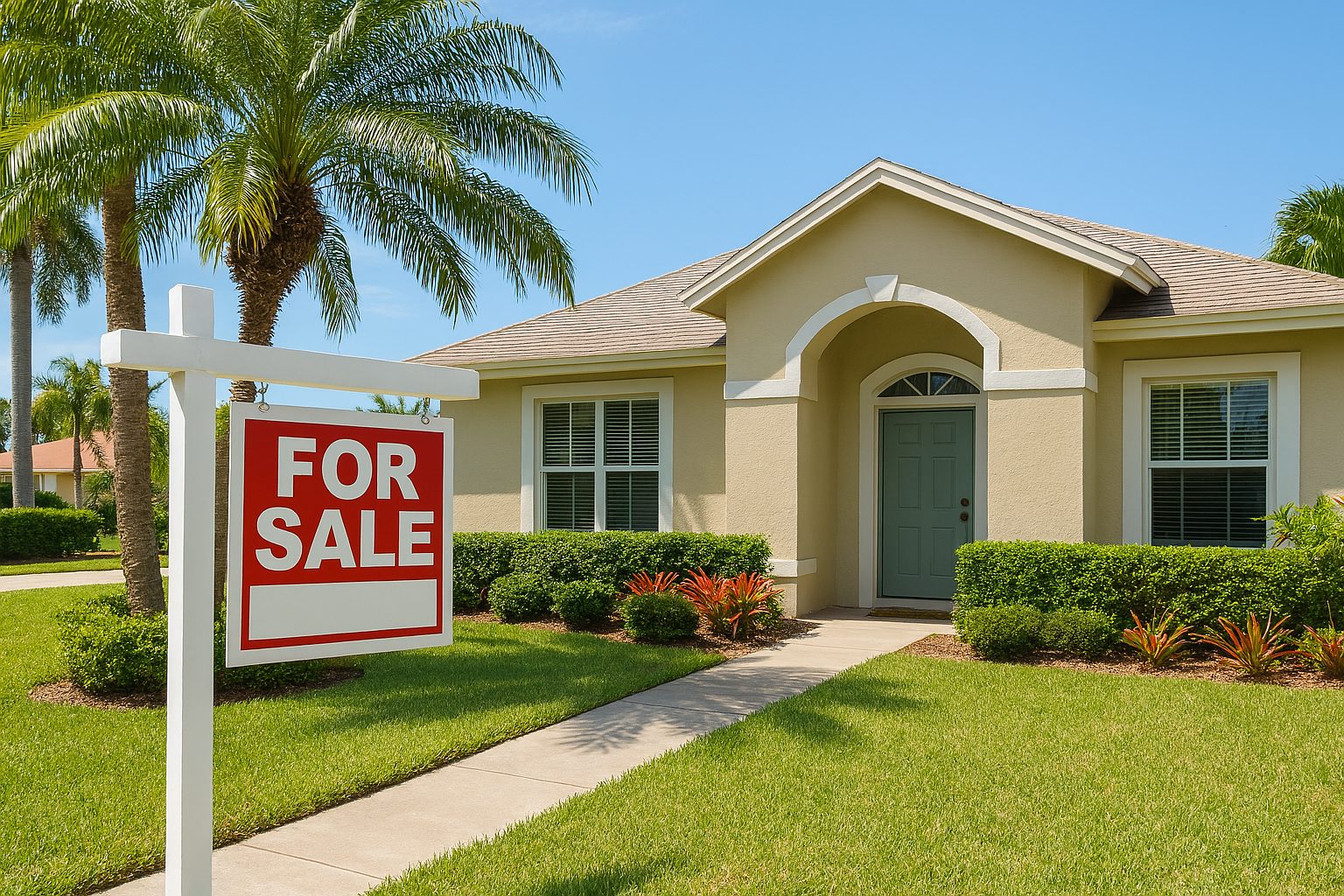
A bright home with a “For Sale” sign.


Deciding when to sell your home is a big choice. You want to feel ready, and you also want the timing to make sense. The good news is: there are clear signs that can help you decide. In this guide, we’ll walk through five easy-to-understand signs that it might be the right time to sell. You’ll also see real-life examples to make each point practical.

You don’t need to know everything about real estate to make a smart move. You just need the right facts, a simple plan, and a clear goal.


Sign 1: Your Home No Longer Fits Your Life

People’s lives change. Your home should fit your needs today not the past.

How this looks:

  • Your family is growing and you need more bedrooms.
  • You now work from home and need an office.
  • You’re empty nesters and want less to clean and maintain.
  • Stairs are tough, and you want a single-story home.
  • Your commute or school needs have changed.

Why it matters:
A home that doesn’t fit your daily life can add stress and cost. If you’re paying for space you never use—or if you’re cramped—moving can bring comfort and savings.

Quick tip: Write down what your next home needs. If your current home can’t meet those needs without big costs, selling may be the smart move.


Sign 2: The Local Market Is Strong

When the market is strong, you may sell faster and for a better price. A “strong” market usually means:

  • Homes in your area are selling quickly (low days on market).
  • Prices are steady or rising.
  • There are more buyers than sellers (low inventory).
  • Open houses are busy and there are multiple offers.

How to spot this:
Look at recent sales near you. Are homes like yours selling in 30 days or less? Are there bidding wars? Is your neighborhood popular for schools, parks, or jobs? A local agent can give you a comparative market analysis (CMA) to show how your home compares.

Quick tip: Watch local “days on market” and inventory. If they’re both low, that’s a green light to consider listing.


Sign 3: You’ve Built Enough Equity

Equity is the value of your home minus what you still owe on your mortgage. If you’ve owned your home for a few years, you may have built solid equity from:

  • Monthly payments paying down your loan
  • Your home’s value going up

Why it matters:
With enough equity, you can sell your home, pay off your mortgage and selling costs, and still have money left over for your next down payment, moving costs, and savings.

How to estimate:

  • Check your mortgage balance in your lender portal.
  • Ask a local agent for a home value estimate or CMA.
  • Subtract your loan balance and expected selling costs (often 6–8% including commissions, closing fees, and prep).

Quick tip: If you have enough equity to put 10–20% down on the next home (and still keep an emergency fund), selling can open new doors.


Sign 4: You’re Ready to Relocate (Work, School, or Lifestyle)

Sometimes, the reason to sell isn’t financial—it’s personal. You may want or need to move for:

  • A new job or shorter commute
  • A better school district
  • Being closer to family
  • Access to parks, beaches, or a specific lifestyle
  • A fresh start in a new city

Why it matters:
Location shapes your day-to-day life—how you spend time, who you see, and what you do for fun. If your current location no longer fits your goals, that’s a strong sign.

Quick tip: Add up time and money lost to a long commute or a location that doesn’t fit. If the totals are high, a move can improve both your budget and your happiness.


Sign 5: You’re Financially and Emotionally Ready

Selling a home includes both numbers and feelings. You’ll want to consider:

Financial Readiness

  • You can cover moving costs, prep, and closing fees
  • You have a plan for your next living situation (buying or renting)
  • You’re comfortable with current mortgage rates and monthly payments on your next place
  • You have an emergency fund (3–6 months of expenses is a common target)

Emotional Readiness

  • You feel ready to let go of the home
  • You can handle showings and staging (or hire help)
  • You’re prepared for negotiations and timelines
  • You have a reason for moving that motivates you

Quick tip: Make a simple move plan with dates and steps. When the plan feels doable, you’re likely ready.


Bonus: What If You’re Unsure? Try a “Pre-List Trial”

You don’t have to leap in all at once. Try these steps:

  1. Get a free CMA from a local agent.
  2. Do two or three small updates (paint, lighting, curb appeal) and ask for a refreshed estimate.
  3. Tour homes in your target area to see what’s available in your budget.
  4. Run the numbers with a trusted lender (payment, rates, closing costs).
  5. Set a decision date (for example, 30 days). If the plan feels good, move forward.

Common Myths About Selling (And the Truth)

Myth: You must time the market perfectly.
Truth: What matters most is your personal timing—your needs, equity, and plan. You can do well in many market types with the right pricing and prep.

Myth: You need to do a full renovation first.
Truth: Small updates—paint, lighting, curb appeal, and deep cleaning—often give the best return.

Myth: You’ll never find your next home in time.
Truth: You can use flexible terms, rent-backs, or a short-term rental while you shop. Agents do this every week.


How to Start (Simple Checklist)

  • ✅ Ask for a comparative market analysis (CMA)
  • ✅ Review your equity and estimated net proceeds
  • ✅ Walk through your home and list simple updates
  • ✅ Choose a pricing strategy with your agent
  • ✅ Decide on timing (list date and move date)
  • ✅ Create a showing plan that reduces stress
  • ✅ Set your must-haves for the next home

With a clear plan and the right support, you can sell with confidence and move into the next chapter.


Foreclosure February 27, 2026

Deed in Lieu of Foreclosure in Florida: What Homeowners Need to Know

Neatly packed moving boxes.

If you are a homeowner in Florida and struggling to make your mortgage payments, you may feel overwhelmed. However, you do have options. One option is a deed in lieu of foreclosure. This solution can help you avoid the long and stressful foreclosure process while protecting your dignity and possibly your credit.

In this blog, we will explain what a deed in lieu of foreclosure is, how it works in Florida, and the pros and cons you should consider.


What Is a Deed in Lieu of Foreclosure?

A deed in lieu of foreclosure is when a homeowner voluntarily transfers ownership of their property back to the lender in exchange for being released from the mortgage debt.

Instead of the lender filing a foreclosure lawsuit in court, the homeowner signs over the deed. In Florida, which is a judicial foreclosure state, this can save months of legal stress and court proceedings.


How a Deed in Lieu Works in Florida

Here is how the process typically works:

  1. Financial Hardship – The homeowner experiences hardship (job loss, medical bills, divorce, etc.).

  2. Contact the Lender – The homeowner applies for loss mitigation and requests a deed in lieu.

  3. Property Evaluation – The lender reviews the property value and title.

  4. Agreement – If approved, both parties sign an agreement.

  5. Transfer of Deed – The property deed is transferred to the lender.

The lender may require that:

  • The home is listed for sale first.

  • There are no additional liens on the property.

  • The property is left in good condition.


Benefits of a Deed in Lieu of Foreclosure

There are several advantages:

✔ Avoids Foreclosure Court

In Florida, foreclosure can take months or even years. A deed in lieu avoids lengthy court proceedings.

✔ Less Stress

The process is usually faster and more private than foreclosure.

✔ Possible Debt Forgiveness

Some lenders agree to forgive the remaining mortgage balance. Always get this in writing.

✔ Potential Relocation Assistance

Some programs offer “cash for keys” to help homeowners move.


Disadvantages to Consider

While helpful, a deed in lieu is not perfect:

  • It will negatively impact your credit.

  • You may still owe money if the lender does not waive the deficiency.

  • You must fully vacate the home.

Before deciding, it is wise to speak with a real estate professional and possibly a real estate attorney.


Deed in Lieu vs. Foreclosure in Florida

In a foreclosure, the lender sues the homeowner through the court system. In a deed in lieu, the homeowner cooperates and transfers ownership voluntarily.

Because Florida is a judicial foreclosure state, avoiding court can save time and reduce public records related to foreclosure proceedings.


Is a Deed in Lieu Right for You?

Every situation is different. Sometimes selling the home, negotiating a short sale, or applying for loan modification may be better options. A deed in lieu is typically considered when:

  • The home has little or no equity.

  • The homeowner cannot afford payments.

  • A traditional sale is not possible.

If you are facing financial hardship in South Florida, exploring your options early is key. The sooner you act, the more solutions you may have available.

Buyers February 26, 2026

Mortgage Rates Drop Below 6%: What It Means for Buyers & the 2026 Spring Housing Market

Buyers sitting with a real estate professional


Big news for the housing market. According to The Wall Street Journal, the average 30-year mortgage rate has dropped below 6% for the first time in more than three years.

This is important because mortgage rates affect how much people pay each month for a home loan. When rates go down, monthly payments usually go down too.

Why This Matters

  1. Mortgage rates are a key driver of affordability. Even a fractional drop below 6% can translate into hundreds of dollars in monthly savings  and thousands over the life of the loan. Lower rates often encourage more buyers to enter the market, particularly first-time homebuyers and those looking to refinance existing loans.

Impact on Homebuyers

  • Lower monthly payments on new mortgages make homeownership more accessible.

  • Increased buying power can help buyers afford more home for the same monthly cost.

  • Refinance activity typically rises when rates fall, helping current homeowners lower their payments.

What This Means for 2026

As the spring selling season begins — historically the most active time of year — buyers could finally feel more confident making moves after years of high borrowing costs. While rates remain above the historically low levels seen during the pandemic, breaking below 6% marks a shift that could stimulate more transactions, particularly in growing markets like Florida.

Sellers February 25, 2026

Home Improvements That Add Real Value to Your Home


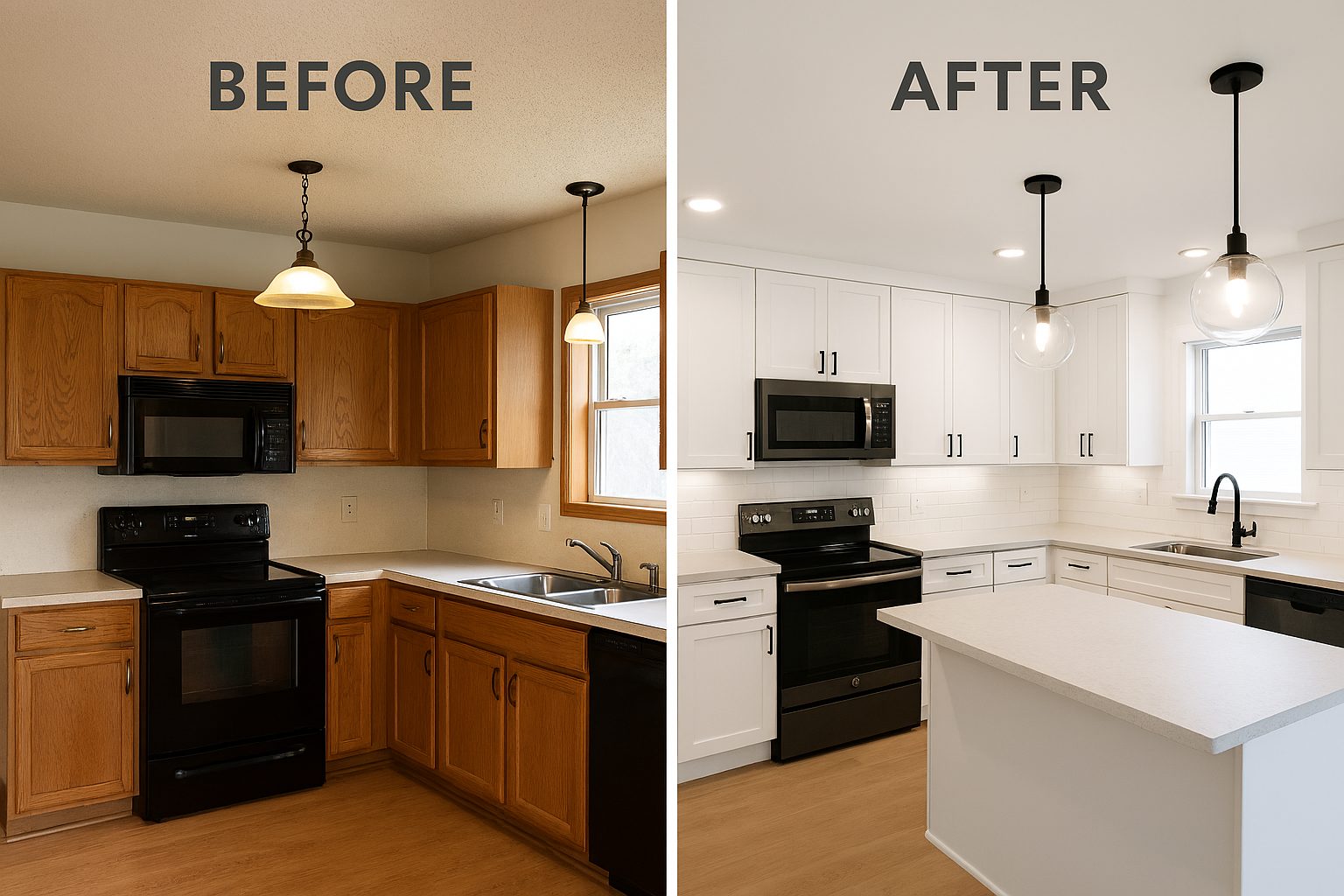
Before-and-after kitchen update with painted cabinets and new lighting.


When you want to make your home worth more, the good news is that you don’t always need a huge remodel. Many upgrades are simple, affordable, and can help your home look and feel better right away. Even better, these improvements often increase your home’s value if you decide to sell later.

Below are some of the best value‑boosting home improvements. And as you read, you’ll notice helpful transitions that guide you smoothly from one idea to the next.

1. Kitchen Updates – The Heart of the Home

First of all, the kitchen is one of the most important rooms in any house. Buyers pay close attention to it.

However, you do not need a full luxury remodel. Instead, focus on smart updates:

  • Repainting cabinets

  • Updating hardware

  • Installing modern light fixtures

  • Replacing old appliances with energy-efficient models

  • Adding a stylish backsplash

Even small improvements can make a big difference.


2. Bathroom Refresh – Clean and Modern Wins

Next, bathrooms matter just as much as kitchens. Buyers want clean, bright, and updated spaces.

Simple improvements include:

  • Replacing outdated faucets

  • Installing a new vanity

  • Updating mirrors

  • Re-grouting tile

  • Adding modern lighting

In many cases, a minor bathroom remodel gives a strong return compared to a full renovation.


3. Curb Appeal – First Impressions Matter

Now let’s talk about something many homeowners overlook: curb appeal.

Before buyers even step inside, they form an opinion. Therefore, the outside of your home should feel welcoming.

Consider:

  • Fresh exterior paint

  • A new front door

  • Updated house numbers

  • Landscaping and fresh mulch

  • Pressure washing driveway and walkways

These upgrades are usually affordable but can dramatically improve your home’s appearance.


4. Fresh Paint – Simple but Powerful

If you want one of the most cost-effective improvements, paint is your answer.

Neutral colors make rooms look larger, brighter, and move-in ready. In contrast, bold or dark colors may turn buyers away.

Stick to soft whites, light grays, or warm beige tones.


5. Energy-Efficient Improvements

Today, buyers are also thinking about monthly costs. Because of this, energy-efficient upgrades are very attractive.

You might consider:

  • Energy-efficient windows

  • Smart thermostats

  • Improved insulation

  • LED lighting

These updates may not always be visible, but they can reduce utility bills — which buyers appreciate.


6. Flooring Updates – Modern and Durable

Old carpet or worn flooring can make a home feel dated. Therefore, replacing flooring often increases value.

Popular choices include:

  • Luxury vinyl plank

  • Hardwood floors

  • Porcelain tile

Buyers typically prefer durable and easy-to-maintain flooring.


7. Minor Repairs – Small Fixes, Big Impact

Finally, do not ignore small repairs. Buyers notice details.

Fix things like:

  • Leaky faucets

  • Loose handles

  • Cracked tiles

  • Damaged baseboards

Even though these may seem minor, they help show that the home has been well maintained.


Improvements That May Not Add Much Value

While upgrades can help, some projects may not bring a strong return:

  • Highly customized rooms

  • Luxury upgrades far above neighborhood standards

  • Converting bedrooms into specialty spaces

  • Expensive landscaping that requires high maintenance

Before starting any large renovation, it is wise to consider your local market.

Buyers February 24, 2026

Is Now a Good Time to Buy a House?

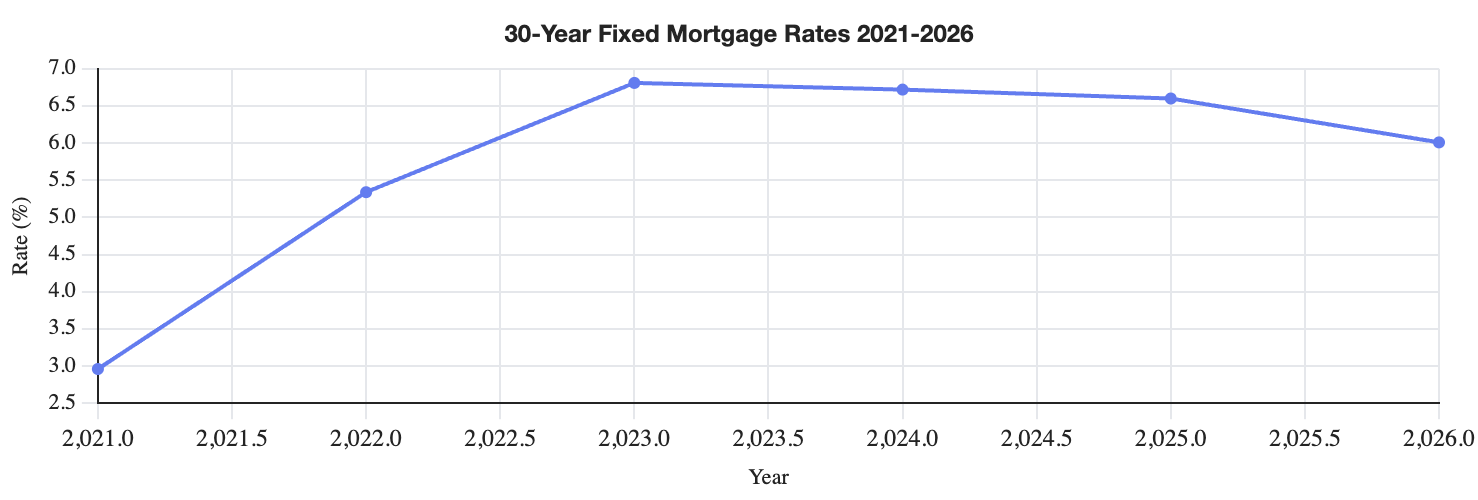
Chart showing mortgage rate trends from 2021 to 2026


Buying a home is one of the biggest decisions most people make. So, is now a good time to buy? The answer isn’t just “yes” or “no.” Instead, you should look at facts, trends, and your own situation. Let’s break it down in a simple way.


Mortgage Rates Are Lower Than a Year Ago

First, mortgage rates matter a lot. Right now, rates for a 30-year loan are around 6%, which is the lowest they’ve been in a few years. That makes monthly payments smaller than they were when rates were closer to 7% or higher. Lower rates can help make a home more affordable.


Prices Are Growing Slowly

House prices are still rising, but the speed of growth has slowed. Some forecasts even show that prices might hardly rise in 2026. That means buyers may not face big price jumps while rates are lower.


Affordability Is Improving Slowly

When homes cost less of your income, we call that better affordability. Right now, more markets are becoming affordable because wages are increasing faster than home costs. Some reports say typical monthly payments could drop below 30% of income — a good sign for buyers.


More Homes, More Choices

There are slightly more homes on the market now than in past years. That means buyers may have more options and more time to choose. Longer days on the market sometimes lead to price reductions, too.


But It Still Depends on You

Even with lower rates and more inventory, buying a home still depends on your personal health and goals. Here’s what to consider:

  • Do you have steady income?

  • Do you have savings for a down payment?

  • Will you be in the home for several years?

  • Is this in your budget without stress?

Buying is serious — and timing the market perfectly is very hard.


Bottom Line

So, is now a good time to buy a house? The data suggests conditions are improving thanks to lower mortgage rates, slower price growth, and rising affordability. Yet, the best time to buy is when you’re financially ready and confident. Long-term homeownership can build wealth, but it must match your goals and budget.

Neighborhood February 23, 2026

Best Neighborhoods in Broward County Florida

Waterfront homes with docks

If you are thinking about moving to Broward County, choosing the right neighborhood is just as important as choosing the right city. After all, neighborhoods can vary in lifestyle, home style, amenities, and atmosphere.

So, in this guide, we will explore some of the most well-known and desirable neighborhoods across Broward County. In addition, this article is written in a clear, easy-to-read format to help buyers understand their options.


🌊 1. Victoria Park – Fort Lauderdale

Located near downtown Fort Lauderdale, Victoria Park is one of the most established neighborhoods in the area.

Why buyers like Victoria Park:

  • Tree-lined streets

  • Mix of historic and modern homes

  • Close to Las Olas Boulevard

  • Walkable location

Because of its charm and location, this neighborhood attracts professionals and long-time residents alike.


🛥️ 2. Harbor Beach – Fort Lauderdale

Harbor Beach is known for waterfront properties and private community features.

Highlights:

  • Waterfront homes

  • Boating access

  • Private beach area

  • Luxury properties

As a result, this neighborhood is often chosen by buyers looking for coastal living with privacy.


🌳 3. Heron Bay – Parkland / Coral Springs

Heron Bay is a master-planned community located between Parkland and Coral Springs.

What makes it popular:

  • Gated community

  • Resort-style amenities

  • Single-family homes

  • Clubhouse and pool areas

Therefore, many buyers who want a community feel are drawn to Heron Bay.


🏡 4. Silver Lakes – Pembroke Pines

Located in Pembroke Pines, Silver Lakes is known for its lakes and suburban feel.

Why it stands out:

  • Lakefront homes

  • Walking paths

  • Community parks

  • Variety of home styles

Because of its layout and location, it is popular among families and long-term homeowners.


🌴 5. Weston Hills – Weston

Within Weston, Weston Hills is a gated neighborhood known for golf course views.

Features include:

  • Gated entrances

  • Golf course homes

  • Well-maintained landscaping

  • Larger properties

For buyers looking for an organized and peaceful environment, Weston Hills is often a top choice.


🏖️ 6. Lauderdale-by-the-Sea (Residential Areas)

Lauderdale-by-the-Sea offers charming coastal neighborhoods with a small-town atmosphere.

What buyers appreciate:

  • Walkable beach access

  • Smaller residential streets

  • Condo and single-family options

  • Local dining nearby

As a result, this area appeals to buyers seeking a relaxed coastal lifestyle.


How to Choose the Right Neighborhood in Broward County

Now that you’ve seen some examples, here are a few important steps:

  1. First, decide your budget range.

  2. Next, think about commute and daily travel.

  3. Then, consider whether you prefer gated communities or open neighborhoods.

  4. Finally, visit the area to get a true feel for the surroundings.

Every neighborhood has its own personality. Therefore, choosing the right one depends on your lifestyle goals.

BuyersFort Lauderdale February 20, 2026

Homes for Sale in Fort Lauderdale: Prices, Trends, and Opportunities

Picture of Luxury interior

If you are looking at homes for sale in Fort Lauderdale, you are not alone. This beautiful coastal city in Florida continues to attract buyers because of its beaches, lifestyle, and strong real estate market. However, the market has changed. Therefore, buyers and sellers now have new opportunities. In this blog, you will learn about home prices, real estate trends, and what to expect when buying a home in Fort Lauderdale.


Current Home Prices in Fort Lauderdale (2026)

First of all, let’s look at the numbers. Understanding prices helps buyers make informed decisions.

  • Median sale price: about $619,000

  • Median list price: about $599,000

  • Average home value: about $500,634

  • Average days on market: about 74 to 92 days

  • Many homes sell below the asking price, creating negotiation opportunities

As a result, buyers may find more choices and better value compared to previous years.


Real Estate Comps and Price Ranges

Based on recent comparable sales and listings, here is a general price breakdown:

Entry-Level Homes: $400,000 – $550,000

  • Smaller single-family homes

  • Older homes with upgrades needed

  • Condos and townhomes in many communities

  • Popular with first-time buyers and investors

Mid-Range Homes: $550,000 – $900,000

  • Updated single-family homes

  • Larger living spaces

  • Better locations near beaches, downtown, or parks

  • Strong demand from local buyers

Luxury Homes: $900,000 – $2,000,000+

  • Waterfront homes

  • Modern construction

  • Larger lots and premium locations

  • High buyer interest due to lifestyle benefits


Market Trends: What Buyers and Sellers Should Know

1. More Homes Available

Currently, there are over 3,000 homes for sale, giving buyers more options.
Therefore, buyers can take more time to compare homes.

2. Prices Are Stabilizing

Home values decreased slightly compared to last year. However, prices remain strong overall.
This creates a more balanced market.

3. Buyers Have More Negotiation Power

Many homes sell below the list price. Therefore, buyers may negotiate better terms.

4. Strong Long-Term Demand

Fort Lauderdale continues to attract:

  • Remote workers

  • Retirees

  • Families relocating

  • Real estate investors

Because of this, long-term real estate demand remains strong.


Best Neighborhoods to Buy Homes in Fort Lauderdale

Popular areas include:

  • Las Olas Isles – Waterfront luxury homes

  • Victoria Park – Great location near downtown

  • Coral Ridge – Family-friendly community

  • Harbor Beach – Luxury waterfront properties

  • Rio Vista – Historic charm and strong property values

Each area offers unique benefits depending on lifestyle and budget.


Why Buy a Home in Fort Lauderdale

There are many reasons buyers choose Fort Lauderdale:

  • Beautiful beaches

  • Strong property values

  • No state income tax

  • Growing economy

  • Great investment potential

Additionally, Fort Lauderdale real estate has historically shown strong long-term appreciation.


Opportunities for Buyers in 2026

Because the market is more balanced, buyers may benefit from:

  • More inventory

  • Less competition

  • Better pricing opportunities

  • More time to make decisions

Therefore, this may be a good time to explore homes for sale.

 Browse available homes here: Homes for Sale in Fort Lauderdale


Tips for Buyers

Before buying, consider these important tips:

  • Get pre-approved for financing

  • Work with a local real estate professional

  • Compare multiple homes

  • Review recent comparable sales

  • Choose the right neighborhood

These steps help buyers make informed and confident decisions.