Facebook
 X
X
 Pinterest
 Copy Link
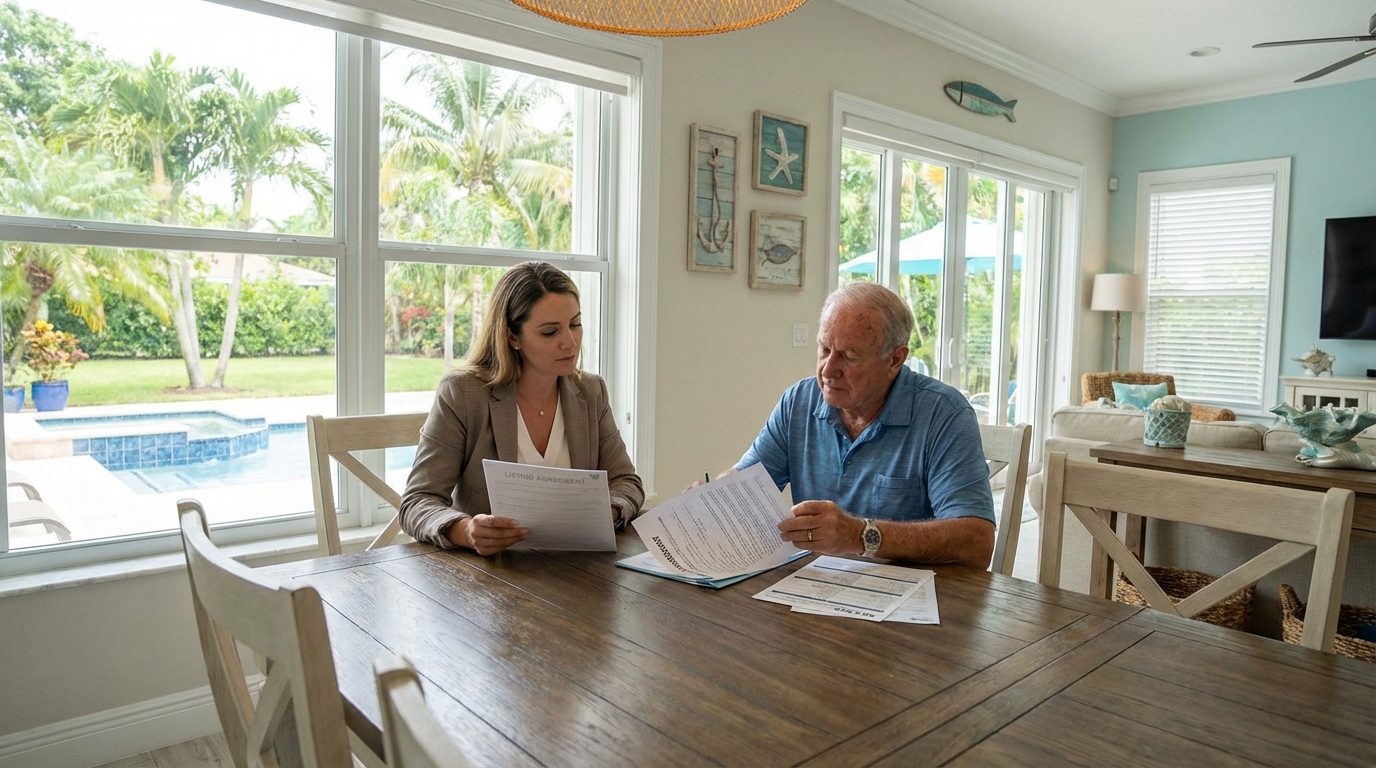
Realtor meeting with a homeowner
If you are behind on your mortgage, you may feel scared or confused. However, you are not alone. Many homeowners go through this every year. The good news is that you usually have options.
In this guide, we will clearly explain pre-foreclosure, short sale, and foreclosure in simple terms. More importantly, you will learn how they are different and what each one could mean for you.
What Is Pre-Foreclosure?
Pre-foreclosure is the early warning stage. This happens when you miss mortgage payments, but the lender has not taken your home yet.
At this point, the lender sends notices letting you know that the loan is past due. Because of that, this stage is often the best time to act.
What Pre-Foreclosure Means for Homeowners
- You still own your home
- You may be able to catch up on payments
- You can sell the home before foreclosure
- You have time to explore solutions
Most importantly, pre-foreclosure gives you more control and more choices.
What Is a Short Sale?
A short sale happens when you sell your home for less than what you owe, and the lender agrees to accept that amount.
Usually, short sales are used when:
- The home value dropped
- The homeowner cannot afford payments anymore
- Foreclosure has not happened yet
Even though it sounds negative, a short sale is often less damaging than foreclosure.
Pros and Cons of a Short Sale
Pros:
- Avoids foreclosure
- Less harm to your credit than foreclosure
- You may qualify for another mortgage sooner
Cons:
- Requires lender approval
- Takes time and paperwork
- Not guaranteed
Still, many homeowners choose this option because it allows a more graceful exit.
What Is Foreclosure?
Foreclosure is the final step. This happens when the lender takes back the home because the loan was not paid.
At this stage:
- The homeowner loses ownership
- The property may be sold at auction
- Credit damage is severe
Because of this, foreclosure should be the last resort whenever possible.
How Foreclosure Affects You
- Major credit score drop
- Difficulty buying or renting later
- Emotional stress
- Possible relocation issues
Therefore, acting early is extremely important.
Pre-Foreclosure vs Short Sale vs Foreclosure: Quick Comparison
| Option | You Own the Home? | Credit Impact | Control Level |
|---|---|---|---|
| Pre-Foreclosure | Yes | Low to Medium | High |
| Short Sale | Until Sold | Medium | Medium |
| Foreclosure | No | High | Very Low |
As you can see, the earlier you act, the better the outcome usually is.
Can You Sell During Any of These Stages?
Yes. In fact, even during pre-foreclosure or short sale, buyers are still looking. Homes sell every day, even in challenging situations.
The key is to:
- Price the home correctly
- Market it professionally
- Work with someone who understands distressed properties
Timing matters, but you do not have to wait for the perfect moment to take action.
Falling behind on your mortgage does not mean you are out of options. Pre-foreclosure, short sale, and foreclosure are very different paths, and each one comes with different results.
Most importantly, the sooner you ask for help, the more choices you have. Education is power, and understanding these options can help you move forward with confidence.